Karnataka Forest Department Issues Safety SOP For 39 Trekking Routes
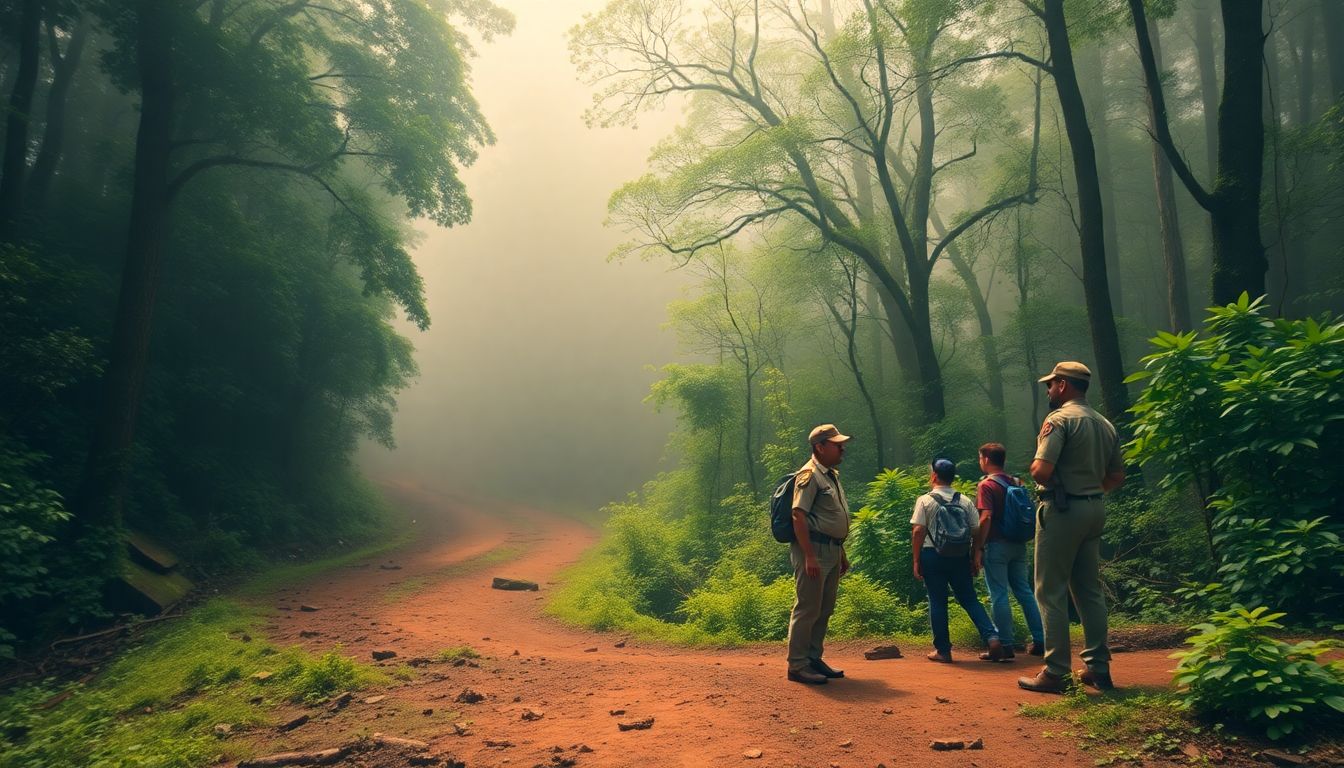
The Karnataka Forest Department has formulated a new Standard Operating Procedure to regulate trekking across approximately 39 designated routes within forest limits and enforce uniform safety protocols across the state.
The tighter regulations follow three major safety incidents in 2026 that highlighted the hazards of difficult terrain, unpredictable weather, and wildlife presence along forest trails. In May 2026, a 10-year-old boy was killed by a leopard while walking toward Nagamale in the Male Mahadeshwara Hills Wildlife Sanctuary in Chamarajanagar, prompting movement curbs in sensitive zones. In April 2026, a fatal incident occurred in the Kumaradhara and Chandradrona hill region near Bandaje Waterfalls in Chikkamagaluru involving a trekker outside designated trails. That same month, a 36-year-old trekker from Kerala went missing on Tadiandamol in Kodagu and was rescued after a multi-day search involving forest staff, police, reserve forces, and local tribal groups.
Under the new framework, access to trekking trails will be managed route by route based on carrying capacity, ecological sensitivity, weather conditions, terrain, and wildlife activity. Trekking may be suspended or restricted in areas witnessing movements of tigers, leopards, elephants, bears, or other dangerous wildlife. The department also reserves the right to blacklist trekkers and guides who breach prescribed conditions.
The department is introducing GPS-enabled communication devices and mobile tracking systems to locate trekkers in zones with limited or no mobile connectivity. The guidelines mandate trained local youth as nature guides responsible for navigation, headcounts, group discipline, and emergency response.
Infrastructure improvements planned under the protocol include clearly marked trails, directional signage, designated rest points, toilet facilities, and drinking-water access at base camps. The state has also strengthened its emergency response system to coordinate rapid deployment among forest personnel, police, State Disaster Response Force teams, drones, and local communities.
Rather than an immediate blanket reopening, routes are being evaluated individually. In the Kudremukh Wildlife Division, selected trails have already reopened after implementing the required safety measures, while other routes remain restricted.