Karnataka Food Safety Raids Uncover Rotten Food at Bengaluru Restaurants
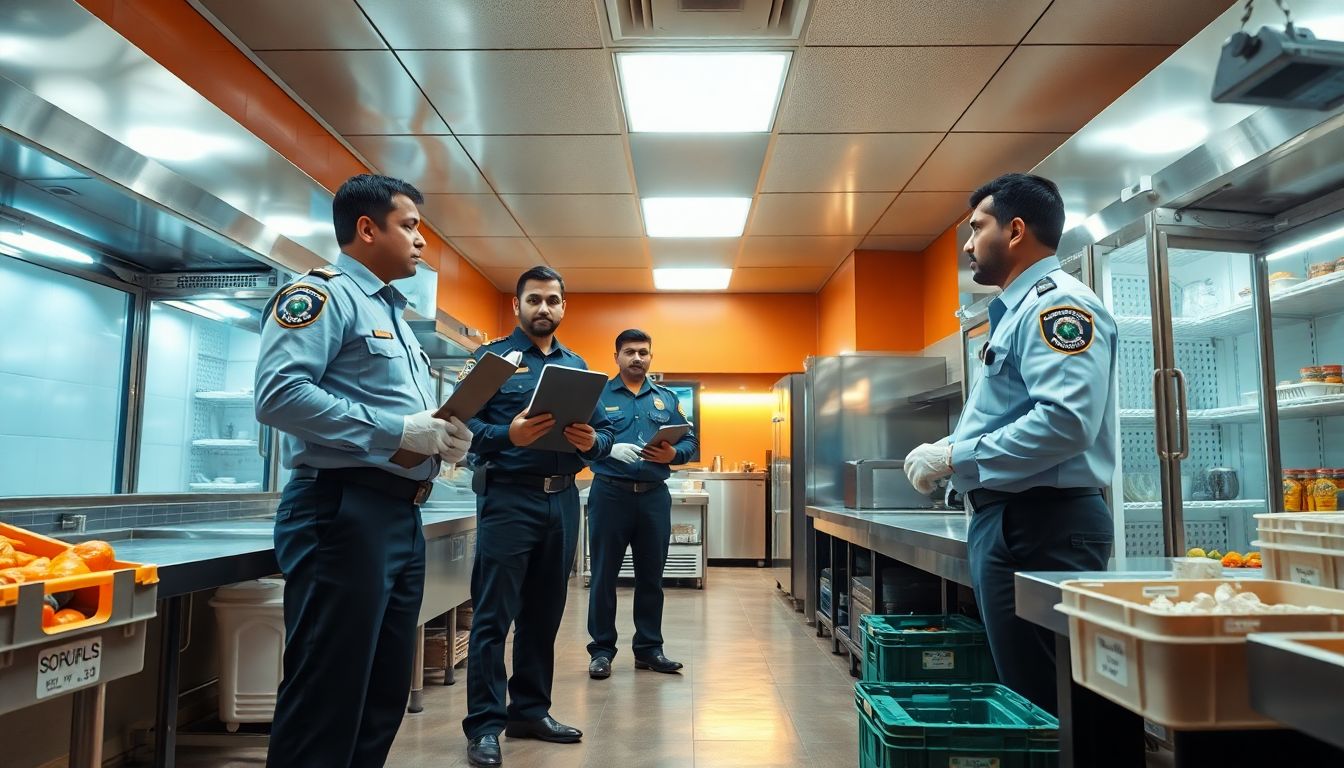
The Karnataka Food Safety and Drug Administration (FSDA) carried out a series of food safety raids across restaurants in Bengaluru, uncovering severe hygiene lapses, including mould, rotten produce, and expired meat, fish, and dairy products.
During the inspections, enforcement teams discovered hundreds of kilograms of substandard food stored in kitchens, including at several high-profile star-rated establishments in the city. The raids revealed produce covered in fungus, decayed meat, and food stock that had been left inside cold storage units for months, exposing significant breakdowns in basic kitchen management and storage controls.
The crackdown has caused widespread unease across the city's food and hospitality sector while prompting serious discussions among consumers. Industry observers noted that while restaurants routinely handle large volumes of perishable inventory moving between freezers, chillers, prep areas, and kitchens, finding dozens of kilograms of decayed stock points to an absence of internal enforcement rather than routine operational errors.
The revelations have shaken public confidence, particularly regarding high-end dining venues. Diners noted that while informal and street food outlets often carry perceived hygiene risks, customers place higher trust in three-star and five-star establishments that employ trained hotel management graduates and charge premium prices. In the wake of the raids, many residents reported becoming far more selective about their dining choices, paying closer attention to kitchen practices and favouring venues with visible food preparation areas rather than relying on brand reputation or social media popularity.
Consumers and industry observers stressed that the crackdown must lead to long-term systemic improvements rather than remaining a temporary exercise. Calls have been made for the Food Safety and Standards Authority of India (FSSAI) and state authorities to institute regular quality checks backed by strict penalties. Suggestions also included adopting a grading system similar to that of the United States Food and Drug Administration, requiring restaurants to prominently display their inspection ratings at the entrance.