Karnataka Finalises First-Phase Blueprint for Kalaburagi PM MITRA Textile Park
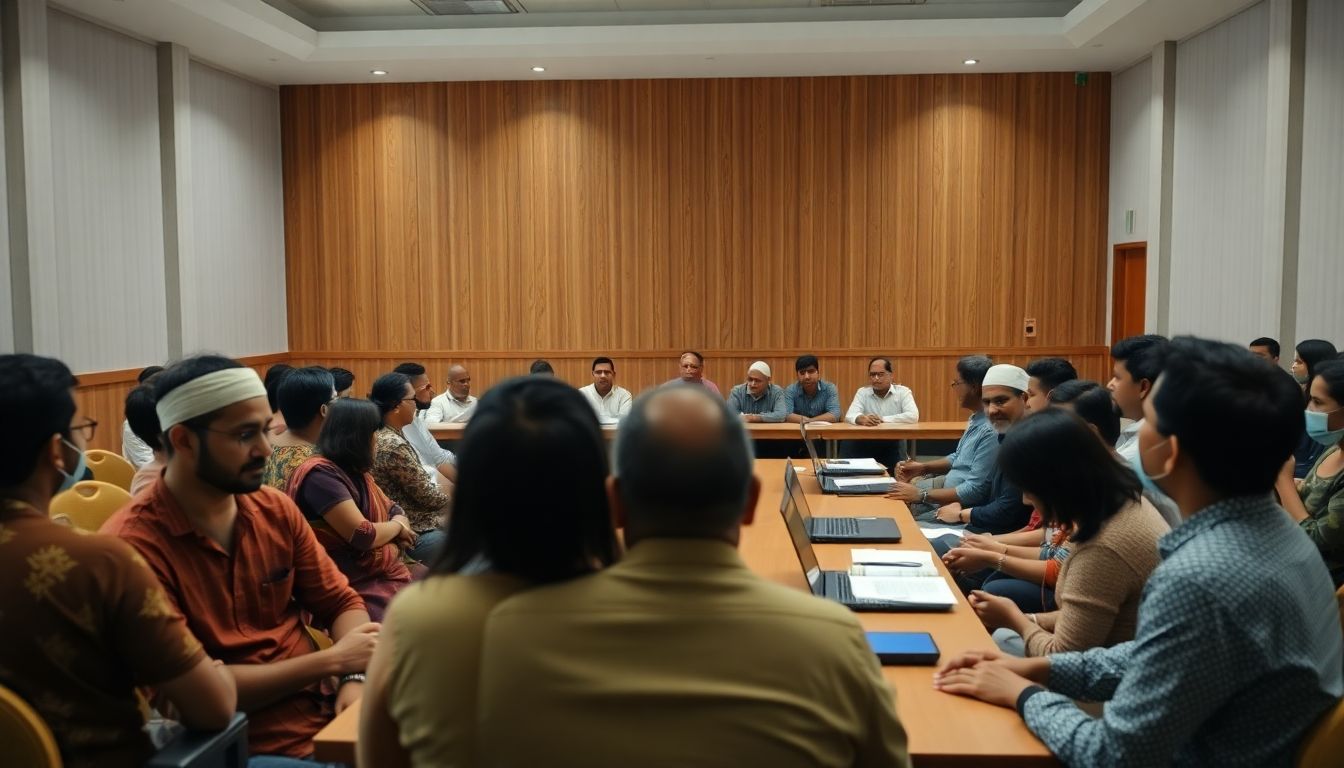
The Karnataka government has finalised the first-phase infrastructure blueprint and administrative framework for the upcoming mega textile park in Kalaburagi under the central government's PM MITRA scheme. Home, IT-BT, and e-Governance Minister Priyank Kharge announced the development on Thursday following a high-level project review meeting at Vikas Soudha in Bengaluru.
This decision clears the way for physical construction on the mega project to commence in the coming months. The administrative progress follows the state government's allocation of Rs 75 crore for the textile park in the 2026-27 budget.
Prior to this milestone, Industries Minister MB Patil and Minister Kharge had held a review meeting in Kalaburagi in May. During that meeting, officials planned to revise the Detailed Project Report (DPR) before submitting it to the Project Approval Committee of the central government.
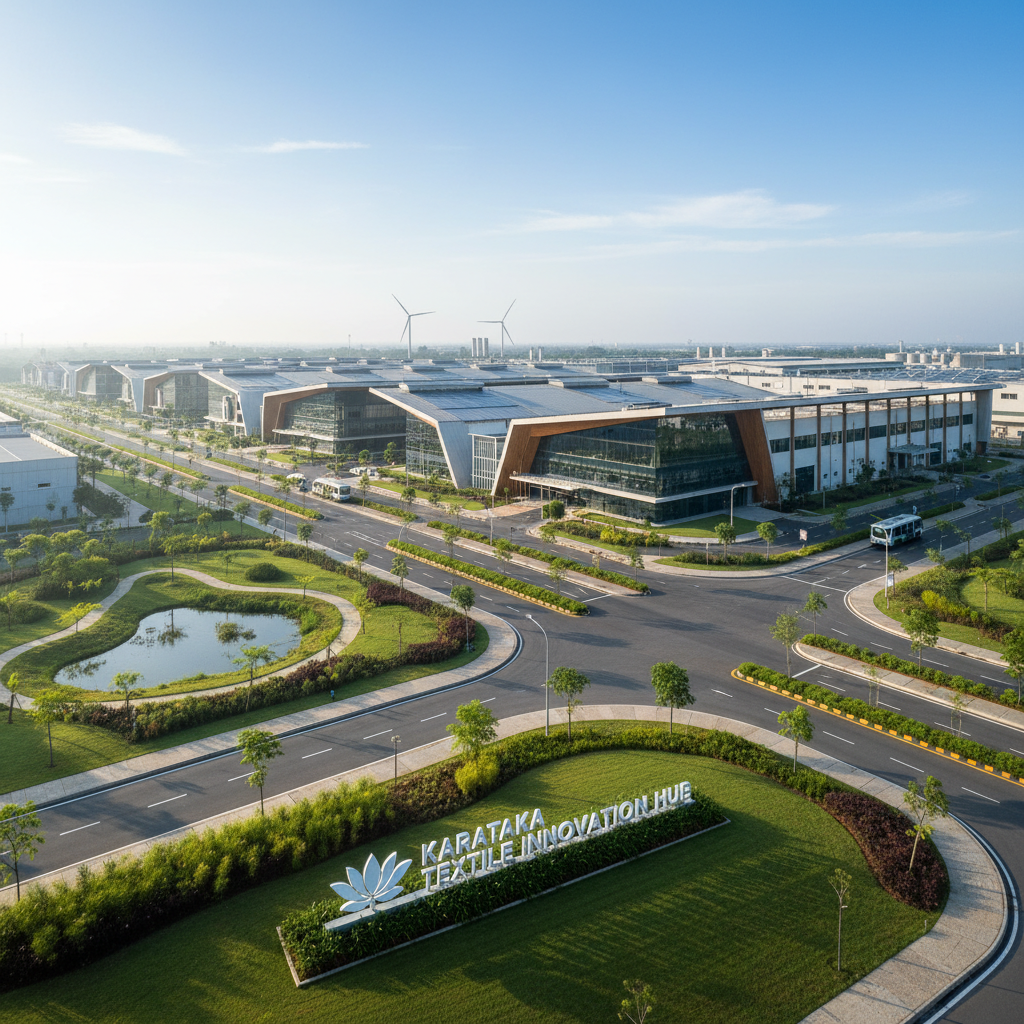
The PM MITRA (Pradhan Mantri Mega Integrated Textile Regions and Apparel) park is projected to attract investments exceeding Rs 1,800 crore. It stands as one of the flagship industrial developments designed for the Kalyana Karnataka region.
The mega park is scheduled for phased development. The first phase will span nearly 1,000 acres of land, covering areas near Honna Kiranagi, Nadisinnur, and Firozabad villages situated along the Kalaburagi–Jewargi highway.
According to officials, the park is designed to function as an integrated textile manufacturing hub. It aligns with the Union government's "5F" vision, which encompasses Farm to Fibre, Fibre to Factory, Factory to Fashion, and Fashion to Foreign.
The project is expected to become a major employment generator for the region. Estimates suggest the park will create more than one lakh direct jobs, alongside an additional two to three lakh indirect employment opportunities.
To facilitate quick setup for businesses, Minister Kharge noted that the park is being designed with world-class plug-and-play infrastructure. This will allow textile and apparel companies to start their operations with minimal lead time. The initial phase of work will focus on land development, constructing internal roads, and installing a reinforced cement concrete (RCC) drainage network for stormwater.