Karnataka C-Section Deliveries Rise to 45.7 Percent in NFHS Survey
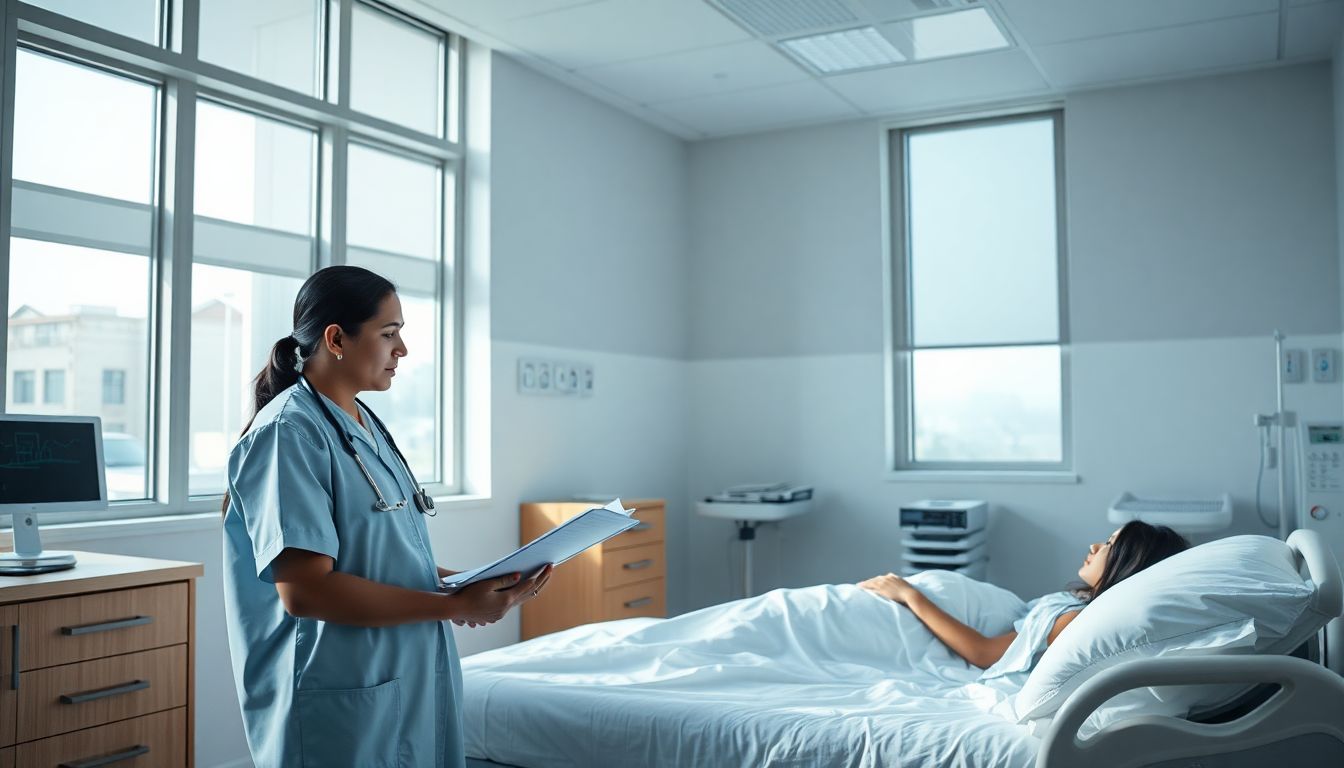
Caesarean-section deliveries in Karnataka have risen sharply to account for nearly half of all births in the state, according to data from the latest National Family Health Survey (NFHS-6, 2023–24). The survey revealed that 45.7% of births in Karnataka were delivered via surgery, marking a 14.2 percentage point rise from 31.5% recorded during NFHS-5 (2019–21).
The surge in surgical births comes alongside a shift in where mothers choose to deliver across the state. Deliveries taking place in government hospitals fell by 6.7%, driven by a rapid expansion of private healthcare facilities in urban areas. While 68.4% of deliveries in rural Karnataka still take place in public health institutions, only 45% of urban deliveries occur in government facilities, with most expectant mothers opting for private hospitals.
Health Department officials expressed concern over the rising dependence on surgical births, noting that while C-sections are essential for high-risk pregnancies, fetal distress, or obstructed labour, unnecessary surgical procedures expose mothers and newborns to avoidable health risks. Mothers face higher risks of infections, excessive bleeding, blood clots, and complications in future pregnancies, while newborns may experience breathing difficulties and lower initial immunity.
To better understand the growing trend, the State Government conducted a pilot study in Tumakuru district in 2025. The study found that many women were choosing elective Caesarean deliveries assuming surgery was safer, less painful, or more convenient than natural labour, even without clear medical indications.
In response to the study findings, the Health Department is planning corrective measures. Department officials propose introducing an information box in consent forms to explicitly explain the benefits of natural childbirth alongside potential risks of unnecessary C-sections. The department also plans to expand awareness programmes and promote non-invasive pain management techniques during labour.
Public health activist and physician Dr. Hanumappa Sudarshan noted that nearly 80% of patients in the state seek treatment in private hospitals, where competitive healthcare often leads to overused medical procedures. Dr. Sudarshan stressed the need for standardized clinical protocols defining when C-sections are necessary, along with an effective regulatory authority to monitor surgical birth rates.