Indiranagar Residents Raise Six Major Concerns Over Proposed Elevated Corridor DPR
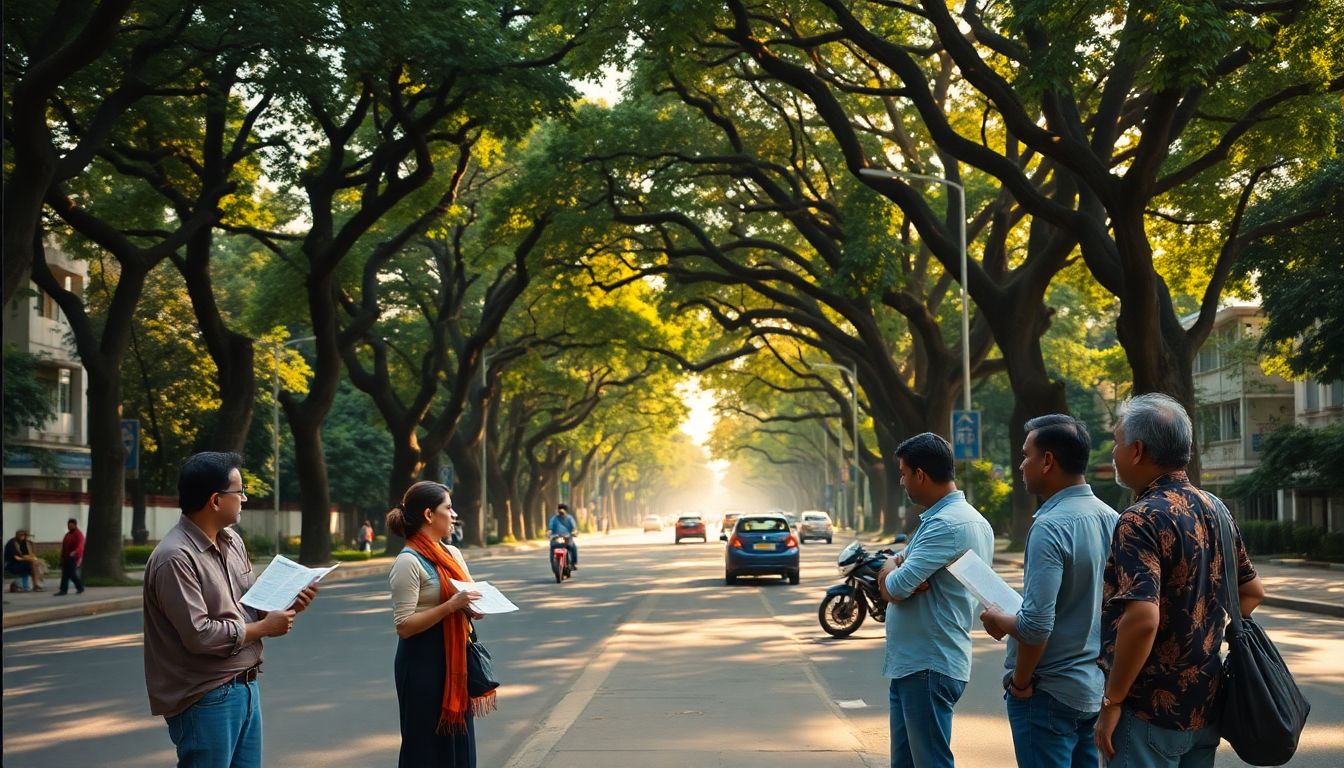
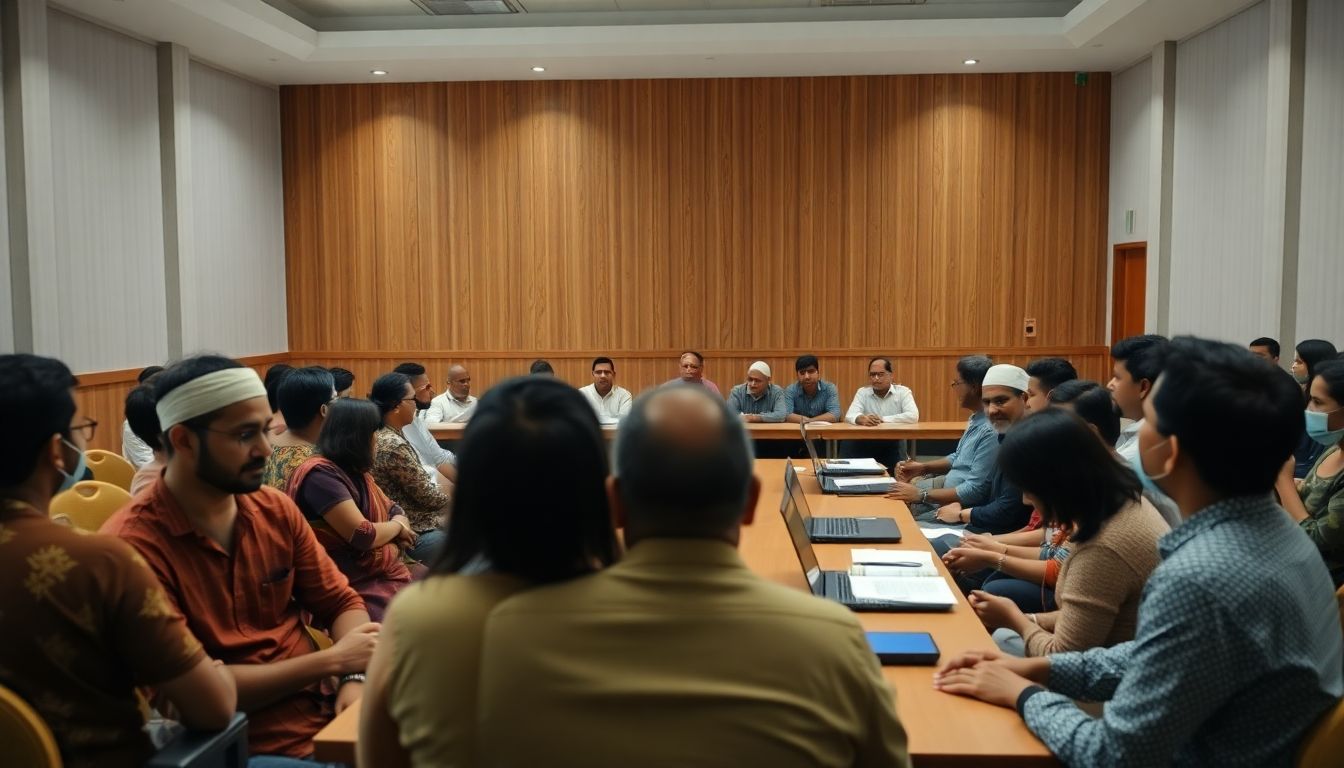
On Tuesday, representatives from the neighborhood federation I Change Indiranagar met with BS Prahlad, the Technical Director of Bengaluru Smart Infrastructure Limited (B-SMILE), to express major reservations regarding the detailed project report (DPR) for a proposed elevated corridor in Indiranagar, Bengaluru. The proposed flyover is planned to run between Swami Vivekananda Metro Station and Silk Board Junction, passing through 80 Feet Road, 100 Feet Road, and a portion of Chinmaya Mission Hospital (CMH) Road.
During the meeting, the federation of residents' welfare associations submitted a letter detailing six substantive concerns about the planning and legitimacy of the mega infrastructure project.
A primary objection raised by the residents is that the proposed elevated corridor is completely missing from the Comprehensive Mobility Plan (CMP) 2020. According to the federation, the DPR relies solely on the Revised Master Plan (RMP) 2015 to confirm road-reservation widths. The residents pointed out that Table 4.7 of the CMP 2020, which identifies mobility corridors requiring improvement, does not list 80 Feet Road, 100 Feet Road, or CMH Road.
The residents also challenged the traffic data used to justify the project, calling the problem statement inadequately defined. Although the proposed alignment crosses 18 junctions between Old Madras Road and Silk Board Junction, the DPR relies on traffic data collected from a single mid-corridor location near Domlur on the Inner Ring Road.
Furthermore, this traffic count was conducted for only 14 hours, failing to meet the standard minimum of 24 hours. The residents stated that this limited count cannot establish the origin or destination of the traffic the corridor is meant to serve. They noted that with no data captured on Old Madras Road or other junctions within Indiranagar, the objective of building an elevated corridor through the neighborhood cannot be substantiated.
Additionally, the federation highlighted that the data collection fails to meet Indian Roads Congress guidelines for grade separators and elevated structures. The DPR completely addresses only two of these guidelines and one in part, while failing to carry out an intersection volume-delay survey. The residents noted that the report remains silent on grade-level traffic and pedestrian movement.
The residents also questioned the project's financial metrics and criticized the report for failing to present any alternative solutions to the elevated corridor.