Hebbal to Silk Board Tunnel Road DPR Pegs Toll at ₹317 One-Way
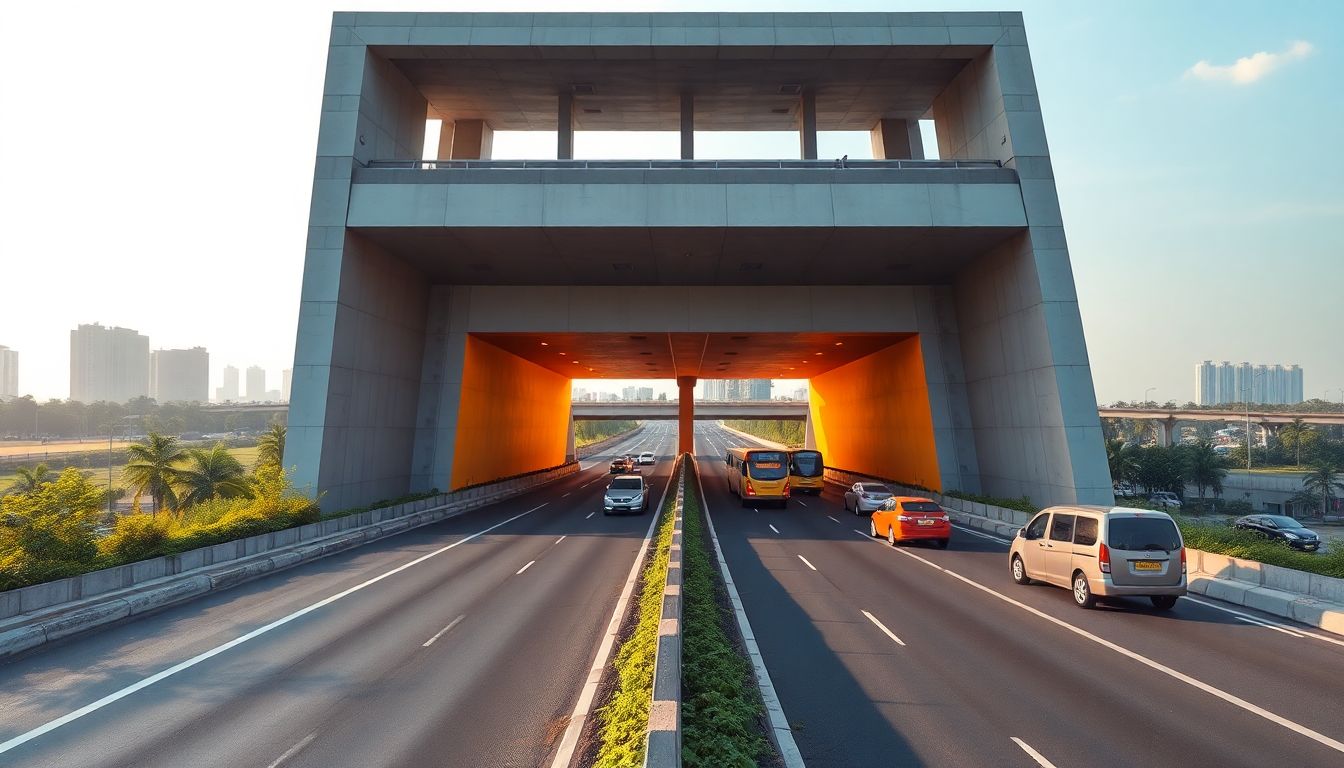
Commuters traveling along the proposed 16.7-km North-South Twin-Tunnel Road between Hebbal and Silk Board face an estimated toll charge of ₹19 per kilometer, according to the project's Detailed Project Report (DPR). Under this pricing structure, a one-way drive through the corridor will cost ₹317, with a round trip totaling nearly ₹650.
The tunnel road is planned to permit only cars and buses, excluding two-wheelers and three-wheelers entirely. The project was initially estimated to cost ₹17,700 crore, but B.S. Prahallad, Technical Director at Bengaluru Smart Infrastructure Ltd. (B-SMILE), noted that the cost could reach ₹20,000 crore when factoring in utilities and other requirements. Adani Enterprises Ltd., the lowest bidder for the project, has quoted over ₹22,000 crore, a proposal that remains under evaluation.
The potential cost escalation prior to contract awarding could further increase toll rates once the tunnel opens following an anticipated four-year construction period. For context, autorickshaw fares in Bengaluru currently stand at ₹18 per km, while cab rides cost ₹24 per km, meaning tunnel toll charges will exceed basic transit fares before including fuel expenses.
The project is facing opposition and legal challenges in the High Court of Karnataka and the National Green Tribunal over environmental concerns and statutory compliance. Petitioner N.S. Mukunda pointed out that the proposed rates make the tunnel exorbitant even for middle-class car owners, while entirely barring lower-income commuters on two-wheelers.
Funding for the tunnel involves Special Purpose Vehicles raising loans, with the state government offering sovereign guarantees and a 40% Viability Gap Funding component. While officials argue that non-tolled alternative surface routes will remain available, civic activists and economists have raised concerns that public tax funds are being utilized through viability gap funding to build high-cost infrastructure accessible primarily to wealthier motorists.