Hebbal Paediatricians Report Rise in H1N1 and Flu Cases Among School Children
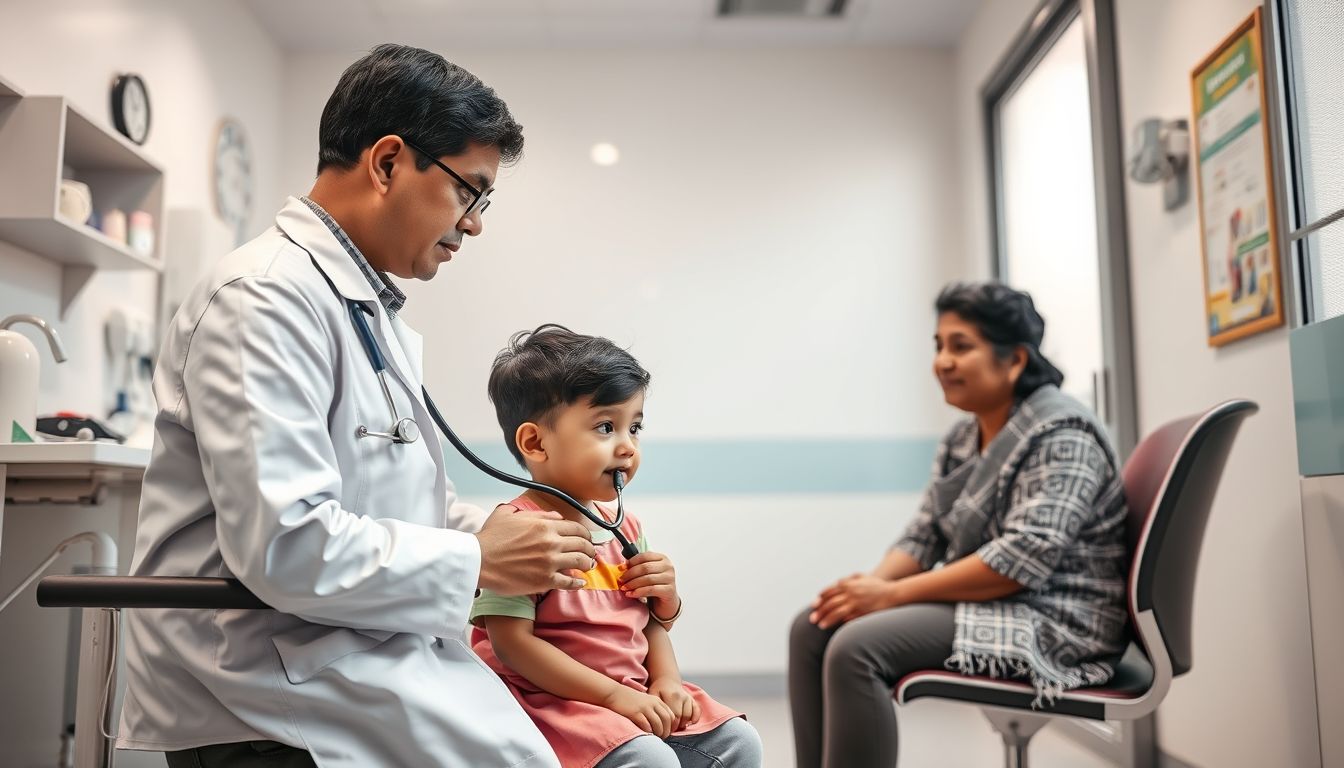
Paediatricians across Bengaluru, including in Hebbal, are reporting a noticeable increase in influenza-like illness, fever, and respiratory infections among children, with several cases testing positive for H1N1.
Medical practitioners noted that school-going children make up a significant proportion of those falling sick. At Motherhood Hospitals in Hebbal, senior paediatrician and neonatologist Vikas Satwik said there is a clear rise in H1N1 and flu-like cases in outpatient and emergency departments, with numbers significantly higher than last year during the same period.
Dr. Satwik said classroom crowding and limited ventilation have contributed to the transmission of infections. Children between six months and 18 years old have been affected, with the highest concentration among those aged two to five years and 10 to 14 years. Typical symptoms include fever, sore throat, tiredness, body aches, and respiratory issues, alongside gastrointestinal complaints such as nausea, diarrhoea, and abdominal pain in some patients.
At the state-run Vani Vilas Women and Children Hospital, Chikkanarasa Reddy, professor and head of Paediatrics, reported that over 110 children—accounting for roughly 80 percent of the daily outpatient load—were visiting daily with high-grade fever, cough, cold, vomiting, and diarrhoea. Dr. Reddy explained that testing is limited to children with severe or prolonged symptoms, meaning confirmed cases do not reflect the full extent of the viral spread across the city.
At the Indira Gandhi Institute of Child Health, Director Narendra Babu stated there was no outbreak or cause for panic, though two to three cases are confirmed as H1N1 daily among patients tested for Severe Acute Respiratory Infection (SARI).
Sujatha Thyagarajan, head of Paediatric Intensive Care and Paediatric Emergency at Aster Women and Children Hospital, noted that the spike is occurring earlier than the typical seasonal pattern. She highlighted that monsoon humidity, temperature fluctuations, and close classroom contact are accelerating transmission. In some instances, children have developed myositis, leading to muscle pain and difficulty walking.
Doctors have advised parents to monitor children under five years and those with underlying conditions like asthma, heart disease, or weakened immunity for warning signs, including laboured breathing, chest retractions, extreme lethargy, and dehydration.
Health experts recommend keeping symptomatic children home from school until they are fever-free for at least 48 hours, maintaining strict hand hygiene, ensuring adequate indoor ventilation, considering annual influenza vaccinations, and avoiding self-medication.