Harohalli Industrial Area Groundwater Level Rises to 3.35 Metres, KGWA Tells NGT
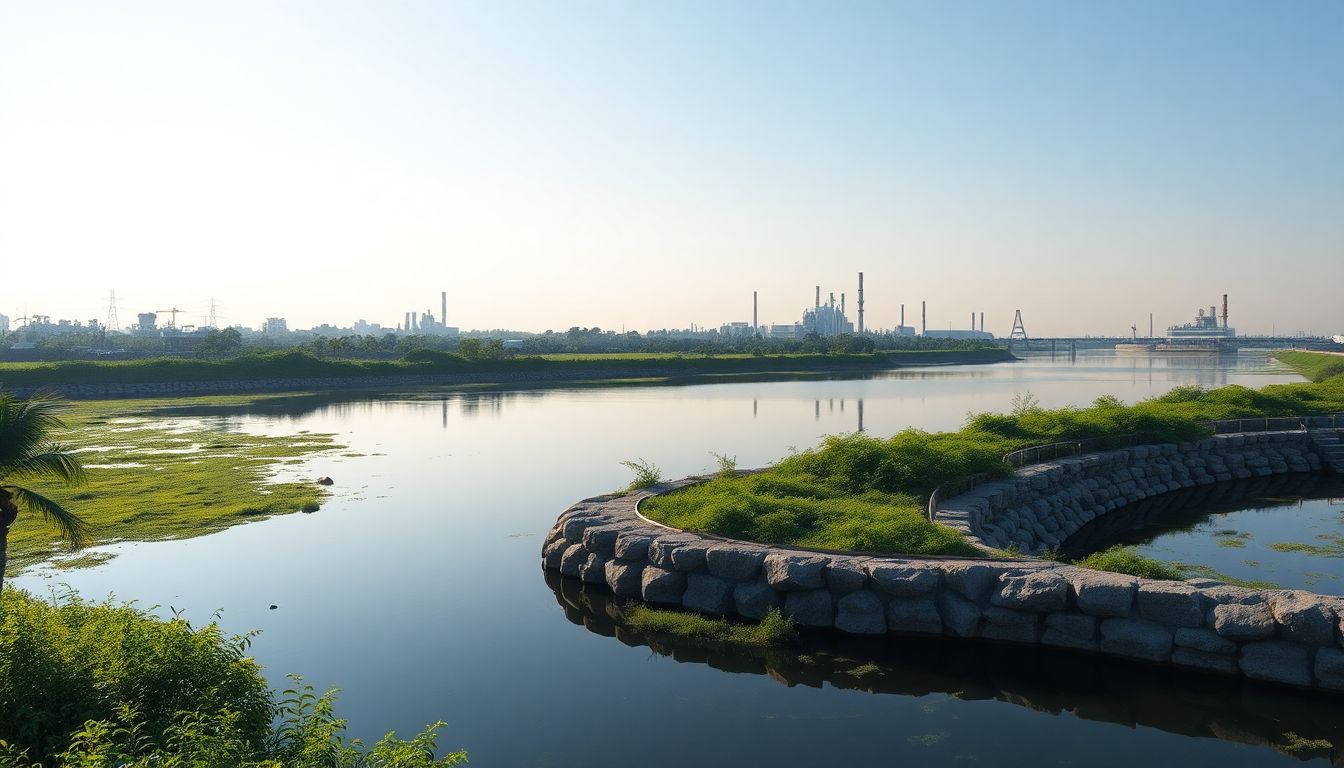
Groundwater levels in the Harohalli industrial area have recovered significantly over the past decade, with the depth to the water table nearly halving between 2016 and 2025. The Karnataka Groundwater Authority submitted decade-long water-level and rainfall data to the National Green Tribunal as part of a compliance report concerning groundwater depletion and industrial usage in the area.
According to the authority, the annual average static water level recorded at an observation dug well was 6.65 metres below ground level in 2016. By 2025, the level had risen to 3.35 metres below ground level, marking a reduction of 3.3 metres in the depth at which water is encountered. KGWA noted that water levels consistently improved between 2017 and 2025, with an exception in 2024 when lower-than-average rainfall caused a temporary drop.
Rainfall figures submitted to the tribunal showed significant fluctuations across the decade in Harohalli taluk. Annual precipitation ranged from a low of 205 mm in 2016 to a peak of 886 mm in 2022. Rainfall was subsequently recorded at 838 mm in 2024 and 846 mm in 2025. Monitoring of groundwater across the region continues to be conducted through observation dug wells and borewells.
The improvement has been attributed to comprehensive recharge interventions across Harohalli taluk. These measures include the construction of check dams and farm ponds, plantation drives, and the rejuvenation of existing ponds and tanks. In addition, the Minor Irrigation Department carried out dedicated tank-filling programmes, executed alongside initiatives under the Mahatma Gandhi National Rural Employment Guarantee Act and other government schemes.
The National Green Tribunal had previously raised concerns regarding heavy groundwater extraction by industrial units operating within the Harohalli Karnataka Industrial Areas Development Board layout. In response, KGWA detailed mandatory regulatory requirements for industrial units seeking no-objection certificates for groundwater extraction.
Under current regulations, any industry seeking an extraction certificate must submit comprehensive hydrogeological reports assessing water levels and environmental parameters around the site. Furthermore, units drawing more than 100 kilolitres of water per day are required to install piezometers to monitor groundwater levels continuously, providing a baseline to track extraction impacts over the lifespan of the permit.