GSI Warns Hebbal-Silk Board Tunnel Road Threatens Lalbagh Rock and Tower
A Geological Survey of India expert committee has warned that the proposed 16.75-kilometre underground tunnel road planned between Hebbal and Central Silk Board poses severe geological, structural, and groundwater risks to Lalbagh Botanical Garden. The findings could force the Karnataka state government to reconsider or alter the alignment of the Rs 22,267-crore project, which was conceptualised to ease vehicular traffic across the city.
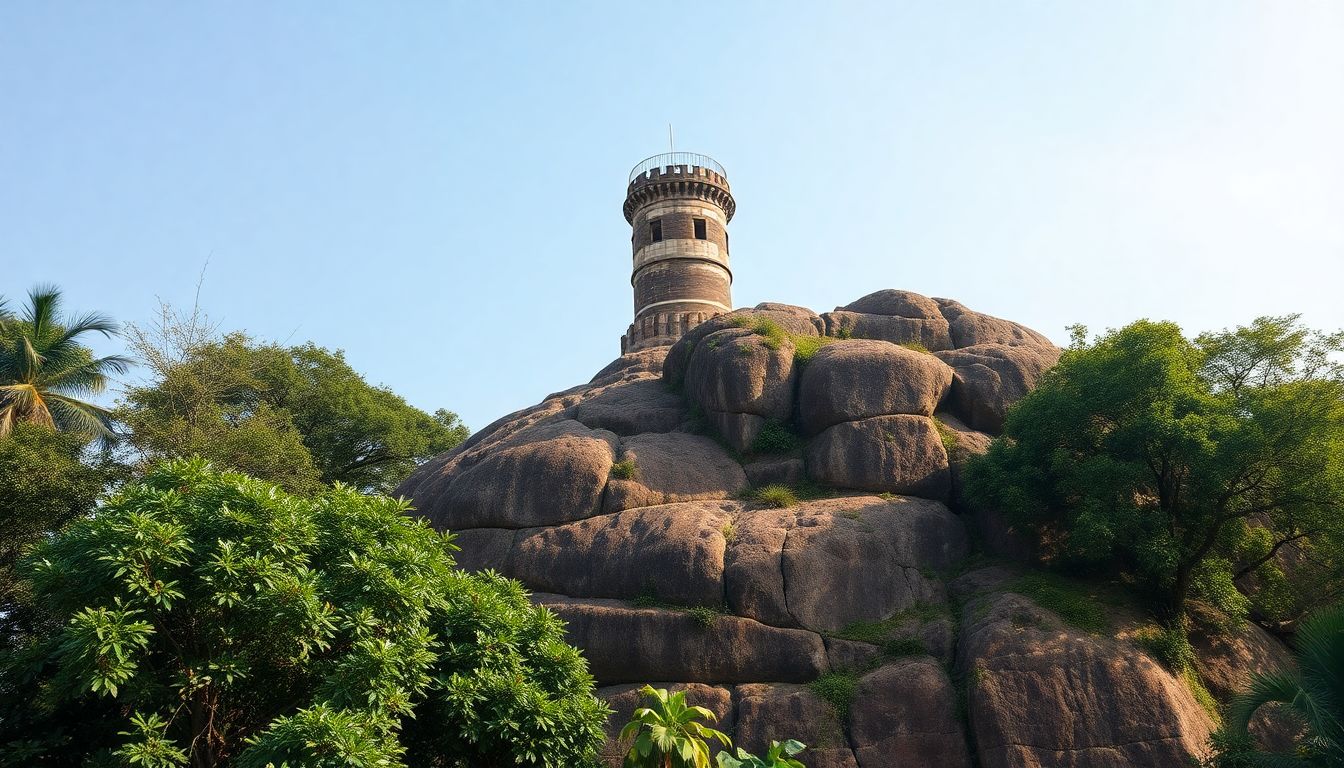
In its 27-page report submitted to the state government in April, the five-member GSI committee stated that excavation and tunnelling work could damage Lalbagh's three-billion-year-old rock formation, widen existing fissures, and endanger the historic Kempegowda tower. The findings arrived just as the state government stood on the verge of awarding the contract to Adani Enterprises, which emerged as the lowest bidder for the massive infrastructure project.
The committee cautioned that the subsurface investigation presented in the detailed project report is inadequate for the area's complex geological setting. A previous expert committee established by the state government had recorded similar concerns, which were not addressed. The study noted that the Lalbagh stretch serves as a structural transition zone, where the tunnel route crosses varying types of granite and gneiss.
Inspectors identified five distinct sets of joints within the exposed rock, warning that their interaction could form blocky rock masses prone to wedge failures and rock falls during construction. The report specifically classified the planned Shaft 4, situated next to the National Geological Monument, as a critical concern and recommended an independent technical review to relocate the tunnel boring machine shaft as far from the monument as possible.
According to the report, excavating the shaft through drill-and-blast methods near the monument could induce new fractures or destabilise the ancient geological formation. Experts also pointed out that hydrological disturbances resulting from altered seepage pathways could impact Lalbagh lake and downstream regions.
The GSI outlined five key recommendations before work can proceed. These include conducting exhaustive geotechnical investigations with three-dimensional geological modelling, shifting the shaft away from the monument, and instituting a dedicated groundwater monitoring network across the lake, ramps, shafts, and local aquifers. The panel also called for a comprehensive heritage impact assessment and noted ongoing civil society appeals to nominate Lalbagh as a Unesco World Heritage site.