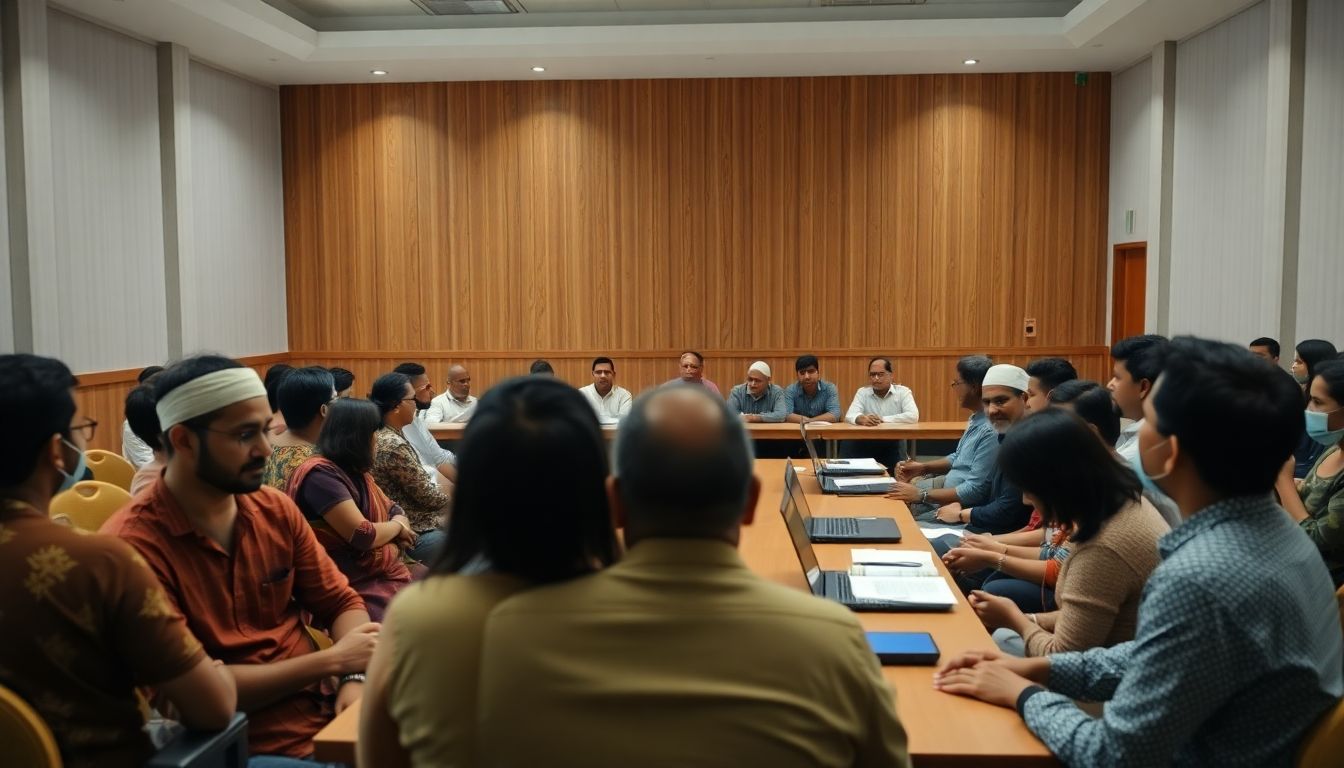
Greater Bengaluru Authority Completes One Year Amid Severe Civic and Staffing Woes
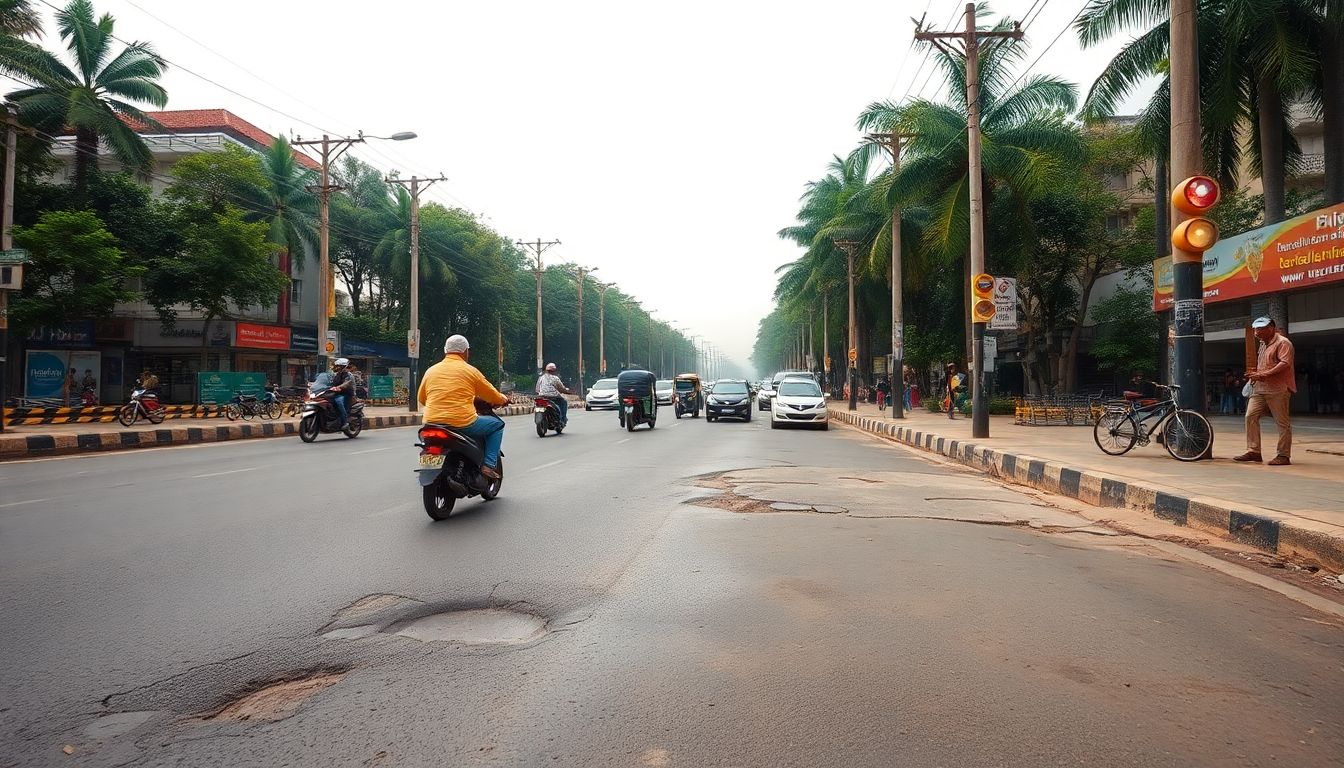
BENGALURU — One year after the Greater Bengaluru Authority (GBA) was established to restructure city governance, citizens across Bengaluru continue to grapple with persistent civic challenges, including bad roads, mounting garbage, and broken footpaths.
The GBA, which divided the city's civic administration into five separate municipal corporations, marked its first anniversary on Wednesday. However, the restructuring has been hampered by administrative difficulties and a major staffing shortage after the state government objected to a request for 6,500 personnel across various officer categories. The lack of field engineers has stalled efforts to resolve complaints regarding potholes, illegal constructions, and waste management.
Civic activists have voiced strong criticism over the restructuring, with some challenging its constitutionality through at least four public interest litigations in the High Court. Sandeep Anirudhan, convener of Citizens’ Agenda for Bengaluru, stated that rapid administrative shifts, ward delimitation, and overlapping census and survey duties created institutional paralysis that stalled day-to-day civic work across the city. Activists also alleged that the restructuring was intended to delay local municipal elections.
In response to the criticism, Greater Bengaluru Development Minister Krishna Byre Gowda stated that the GBA has established a coordination framework for long-term governance. He acknowledged that administrative capacity had been stretched by transitional surveys and confirmed that a committee led by T.M. Vijay Bhaskar is examining the staffing deficit. He added that over the next three months, the authority will prioritise repairing 2,500 kilometres of roads and improving solid waste management, while assuring that corporation elections will take place.
GBA Chief Commissioner M Maheshwar Rao defended the five-corporation model, stating that it has accelerated decision-making and administrative efficiency. Rao noted that funds have been allocated for lake development and sustainable infrastructure projects. He added that the authority is focused on completing white-topping projects and starting elevated corridors, alongside resolving pending road infrastructure works including the Wind Tunnel flyover, Hope Farm, and the Kundalahalli flyover.