Forest Department Pays Rs 6.41 Crore for Bengaluru Circle Wildlife Conflict Cases
The Karnataka Forest Department disbursed Rs 6.41 crore in compensation for 8,485 human-wildlife conflict cases in the Bengaluru Circle between April 2025 and March 2026, according to official department data. The Bengaluru Circle covers Bengaluru Urban, Bengaluru Rural, Bannerghatta National Park, Ramanagara, Kolar, and Chikkaballapur.
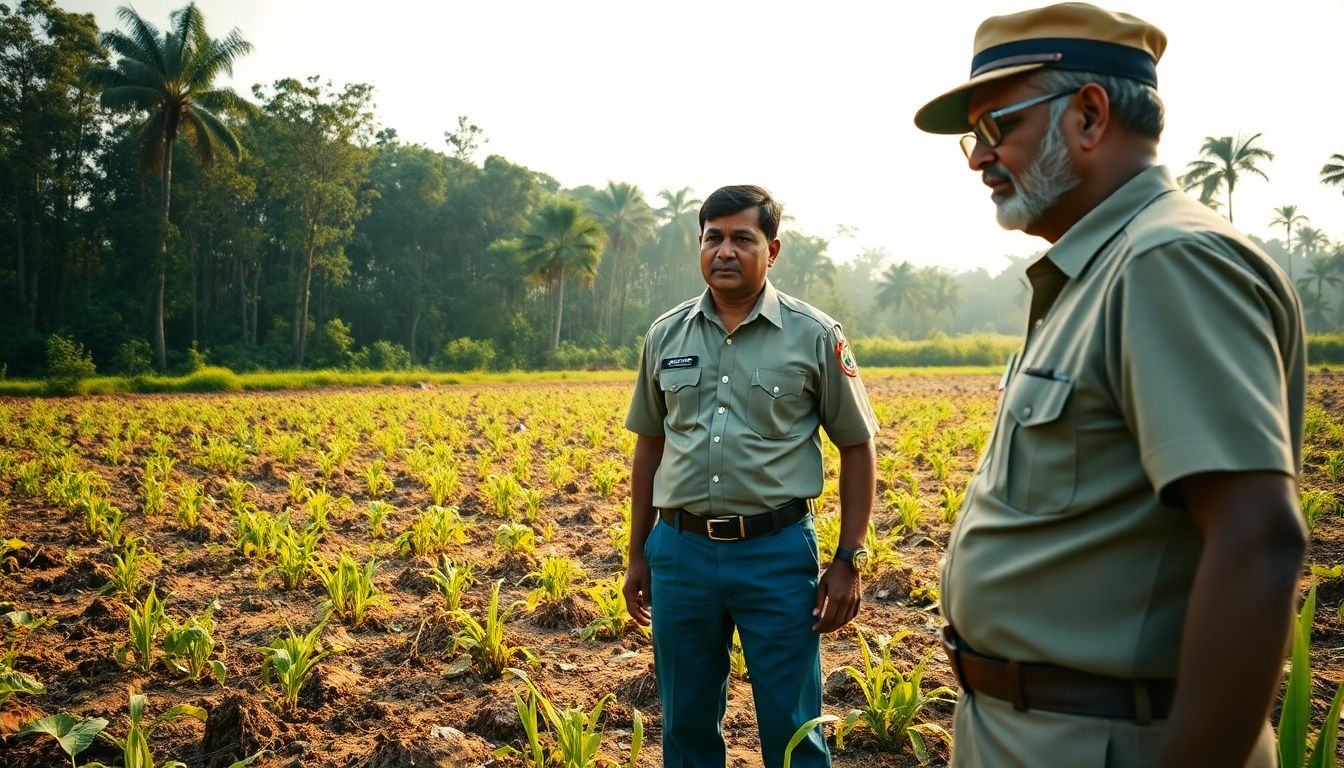
Out of the total compensation disbursed in the circle, Rs 4.51 crore was paid specifically for crop damage caused by wildlife. In Bengaluru Urban and Bengaluru Rural combined, the department recorded 93 conflict cases, which led to ex-gratia payments totalling Rs 25 lakh. These incidents encompassed crop damage, property loss, cattle killed in attacks, human injuries, permanent disability, and human deaths.
Across the entire state of Karnataka, human-wildlife conflict cases increased to 50,000 in 2025–26, with Rs 61 crore disbursed in ex-gratia payments. That compares to approximately 39,000 cases and over Rs 47 crore paid in 2024–25, 46,000 cases and Rs 47 crore in 2023–24, and around 40,000 cases with more than Rs 34 crore paid in 2022–23.
Forest officials attributed the increase in compensation claims partly to the introduction of the e-Parihara online portal, which simplified the application process and expedited payments for farmers suffering losses. Kumar Pushkar, Principal Chief Conservator of Forests and Chief Wildlife Warden of Karnataka, noted that the streamlined system encouraged more affected farmers to come forward.
Pushkar also cited growing wildlife populations and the expanding interface between forests and agricultural land as key factors in rising conflict numbers. To mitigate incidents, the department installs elephant-proof trenches, solar fencing, and railway barricades along forest boundaries. However, officials noted that approximately 300 kilometres of forest boundary in elephant-conflict zones still require barricading. The department currently completes about 1,000 kilometres of barrier work each year, with plans to cover the remaining stretches over the next two to three years depending on funding.
Wildlife conservationists highlighted that changes in cropping patterns, such as cultivating commercial crops adjoining forest borders, continue to draw animals like elephants toward farmlands. Conservationist Akhilesh Chipli suggested incentivising farmers to cultivate alternative crops with minimum support prices, while expanding and restoring the state's forest cover, which stands at around 4.5%. Conservationist Giridhar Kulkarni also urged authorities to display ex-gratia compensation information prominently in regional languages at Gram Panchayat offices, schools, and anti-poaching camps to ensure fringe communities are fully aware of relief procedures.