FDA Seizes Expired Food Worth ₹2.35 Lakh From Bengaluru Quick-Commerce Warehouses
The Karnataka Food Safety and Drug Administration (FDA) seized expired and misbranded food products worth ₹2,35,095 during surprise inspections of quick-commerce grocery warehouses across Bengaluru on June 12 and 13. The two-day special drive was launched by Food Safety Officers following public complaints regarding the safety of items delivered by instant grocery platforms, on which a large section of the city's population depends for daily grocery needs.
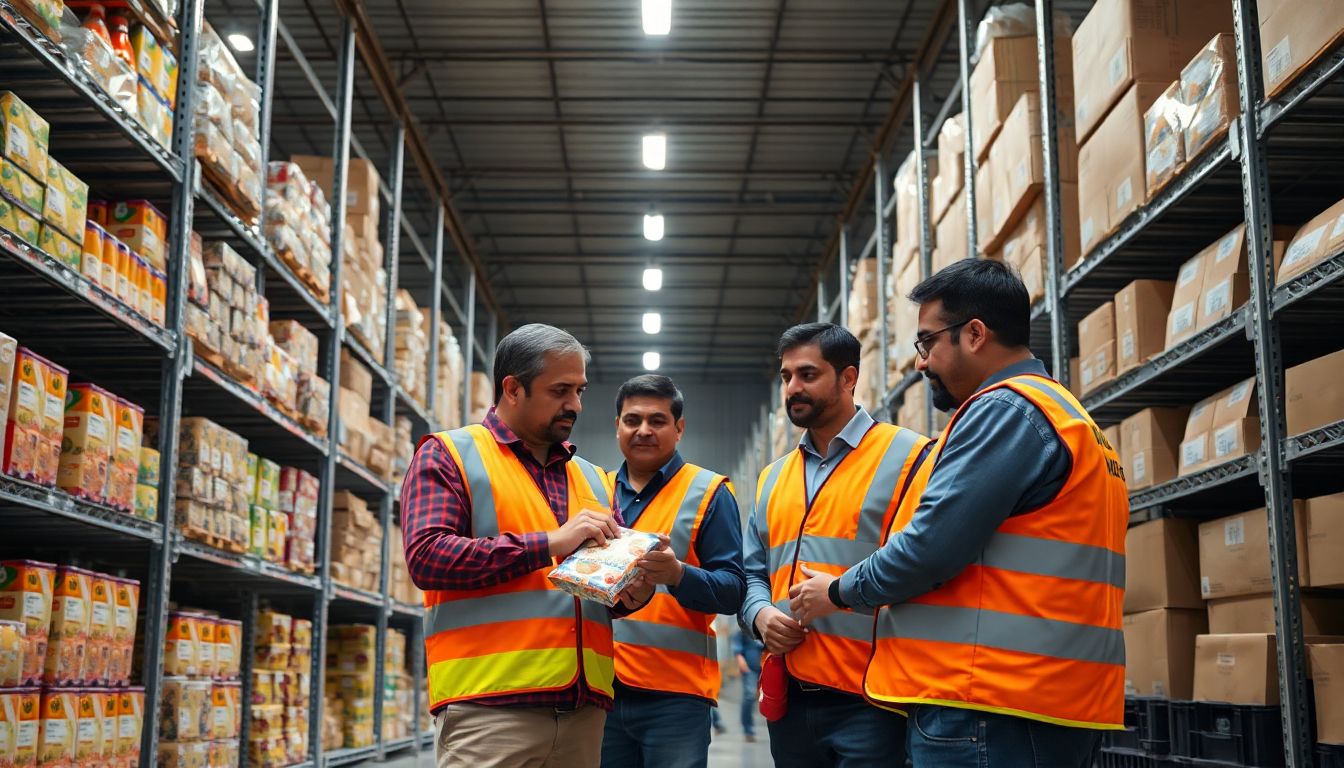
During the enforcement drive, officials identified 266 warehouses across the city for inspection. Out of these, officials successfully inspected 236 units, while 30 facilities were found to be closed, non-traceable, or otherwise unavailable for inspection.
The inspections resulted in the registration of 44 adjudication cases against Food Business Operators (FBOs) for various offences. These violations included the storage of expired food, misbranding, and other non-compliances with safety standards.
The special drive focused on checking products that consumers increasingly rely on quick-commerce platforms to deliver. These included daily essentials such as milk, curd, bread, vegetables, fruits, snacks, beverages, and packaged foods. Officers also inspected whether the storage facilities maintained the required standards of cleanliness, hygiene, and overall food safety.
According to a senior FDA official, many food items were found carrying incorrect or misleading labels. These labels included inaccurate information about ingredients, expiry dates, and other mandatory declarations. Additionally, expired products that should have been removed from inventory were still found in storage, and items nearing their expiry dates had not been segregated.
Apart from the adjudication cases, the department issued 65 notices to FBOs, directing them to rectify the violations. The FDA also imposed penalties amounting to ₹1,97,999 during the two-day drive.
The inspections were initiated based on the understanding that people are increasingly becoming dependent on these quick-commerce services for their everyday essentials.