Eight Anti-Poaching Camps Attacked in Cauvery Wildlife Sanctuary
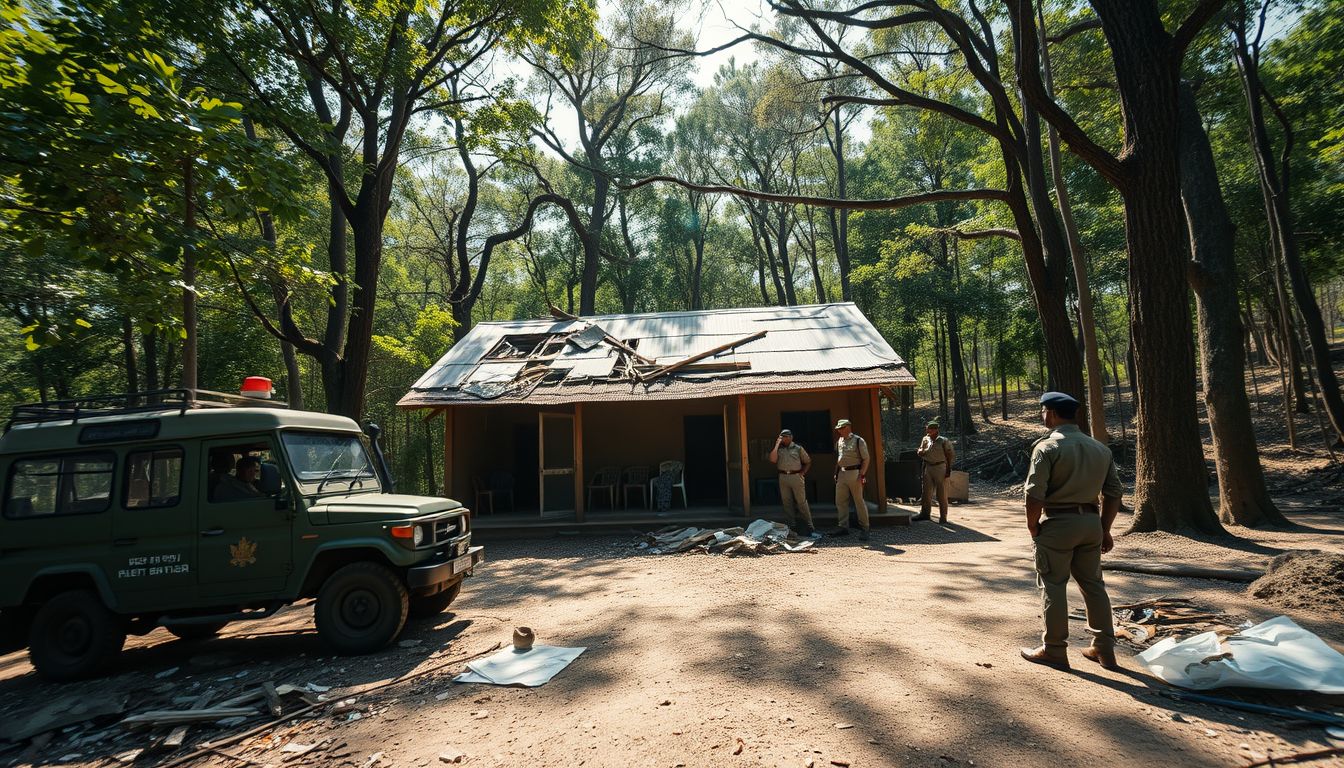
Eight anti-poaching camps across the Cauvery Wildlife Sanctuary have been attacked and ransacked by mobs over four days, culminating in the bombing of the Mathipura anti-poaching camp in the Kothanur Range late on Monday. The attacks began on the night of August 15 and are believed to be retaliation for the death of alleged poachers inside the Chikkallur Reserve Forest.
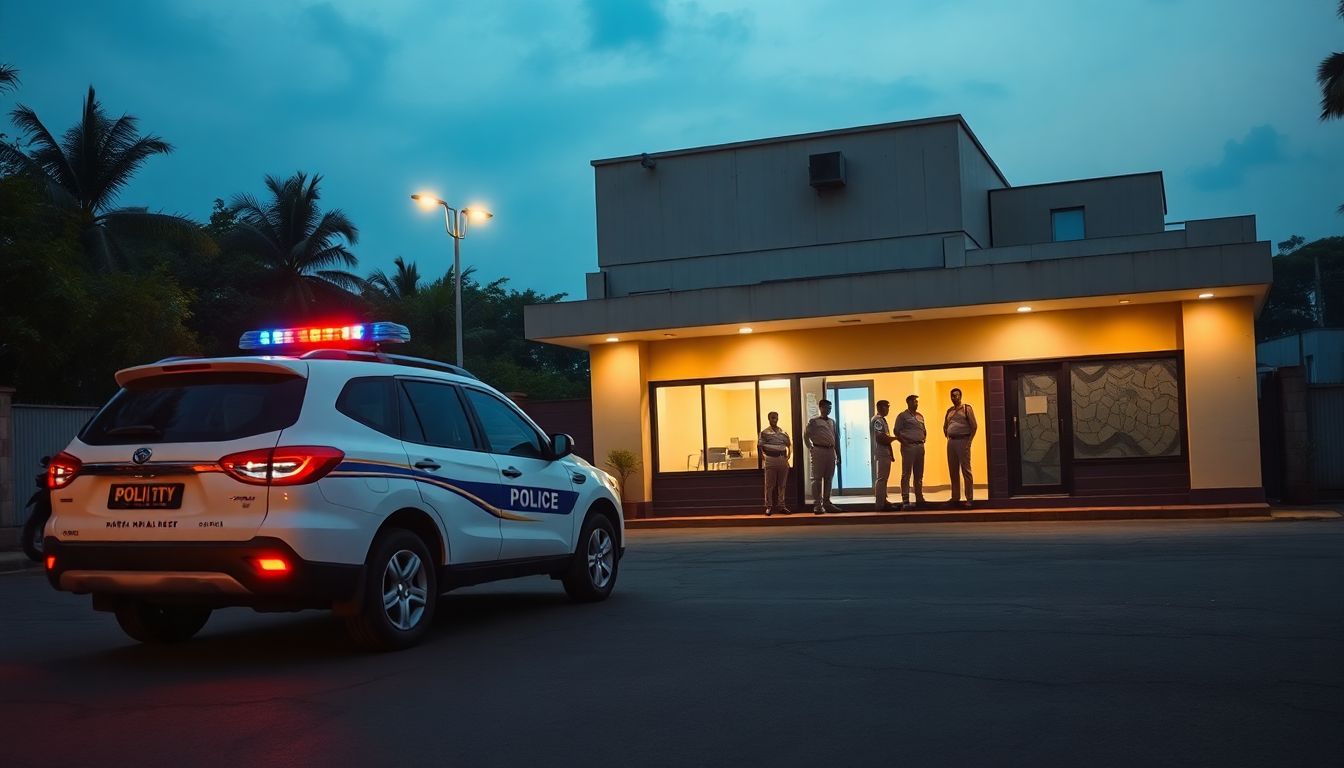
The Karnataka Forest Department has lodged a formal complaint with the jurisdictional police station following the widespread vandalism, which left staff quarters, vehicles, and motorbikes damaged across the sanctuary.
According to Kumar Pushkar, Principal Chief Conservator of Forests and Chief Wildlife Warden of Karnataka, seven camps were targeted starting August 15 night before the Mathipura camp was hit. The Deputy Conservator of Forests (DCF) of Cauvery Wildlife Sanctuary filed a formal complaint with the local police to ensure the safety of frontline personnel.
The day after the initial incident, individuals went to the crime scene and attempted to destroy evidence using a local bomb. The violence has created widespread fear among forest personnel, causing many to avoid returning to their posts. Anti-poaching camps typically operate with just two permanent forest watchers alongside outsourced staff, leaving forest tracts vulnerable to poaching and illegal activities when personnel stay away.
In response to the unrest, wildlife conservationist Giridhar Kulkarni filed a petition with the Supreme Court-constituted Central Empowered Committee (CEC). The petition seeks a fair and transparent investigation into the August 15 incident inside the Chikkallur Reserve Forest, as well as protection for frontline department personnel and bona fide anti-poaching operations.
The petition highlights that the Cauvery Wildlife Sanctuary and the adjoining MM Hills Wildlife Sanctuary form a critical wildlife landscape facing severe protection challenges. Kulkarni has called for a comprehensive assessment of the condition of anti-poaching camps, personnel strength, patrol mobility, surveillance equipment, communication systems, and frontline wages.