E20 Petrol Shift Causes Engine Breakdowns and Mileage Drops Across Bengaluru
The transition to E20 petrol has triggered widespread engine trouble and mileage drops for vehicle owners across Bengaluru, leading to an influx of complaints at repair workshops in areas such as J.P. Nagar and Bannerghatta Road.
The Union government's clean-energy mandate requires a blend of 20% ethanol and 80% fossil fuel to curb carbon emissions and reduce oil import bills. However, daily commuters navigating the city's traffic are experiencing unexpected mechanical breakdowns, poor fuel efficiency, and rising repair costs, with owners of two-wheelers and older passenger cars reporting significant declines in vehicle performance.
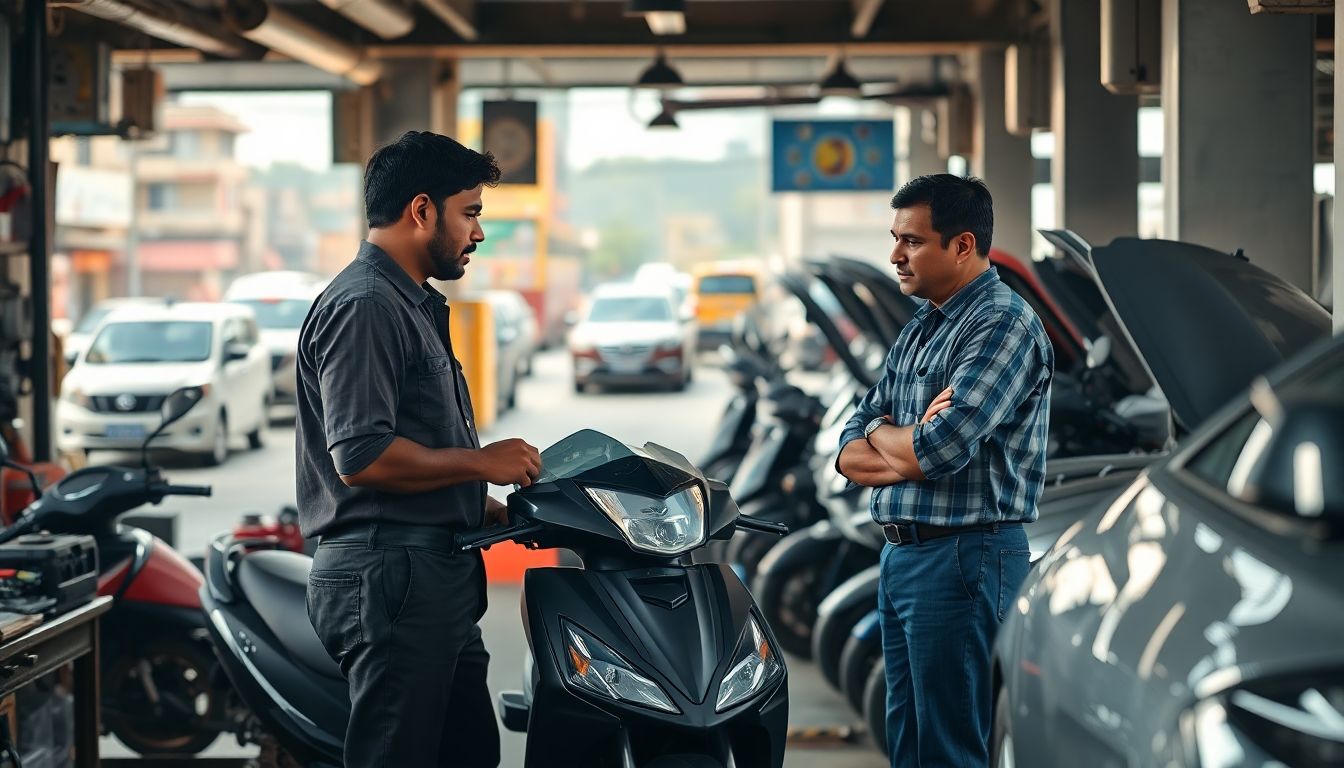
Motorists have reported severe engine sputtering alongside reduced fuel economy. K. Vinay, a delivery executive based in J.P. Nagar, said his scooter's mileage dropped by nearly five kilometres per litre after fuel stations shifted completely to the new blend. He noted that the vehicle jerks at traffic signals and stalls unexpectedly, adding that he had to pay to have his fuel tank drained due to accumulated moisture.
Automobile mechanics across Bengaluru report seeing an increase in damage to internal engine components, particularly in vehicles manufactured before April 2023 that lack material compatibility for higher biofuel blends.
M. Anthony, a senior mechanic operating a multi-brand garage on Bannerghatta Road, stated that his workshop is handling numerous complaints involving clogged fuel injectors, ruptured rubber gaskets, and corroded fuel lines. Anthony explained that ethanol absorbs moisture from Bengaluru's humid air, resulting in a water-ethanol mixture that separates and settles at the bottom of the fuel tank as a corrosive sludge, which motorists frequently mistake for adulterated fuel.
Transport expert M. N. Srihari said the concerns of vehicle users should be prioritised. He noted that there was no need for an urgent approach to implementing E20, suggesting that the government should have taken time to consult stakeholders, outline both advantages and disadvantages, and build public confidence before rolling out the mandate.