Draft Master Plan Proposes 75% Public Transport Share for Bengaluru
A proposed economic master plan for the Bengaluru Metropolitan Region (BMR) has outlined an ambitious target to raise the share of public transport in the region from 35% to 75%. A draft of the proposal was presented to Chief Minister D.K. Shivakumar on Wednesday.
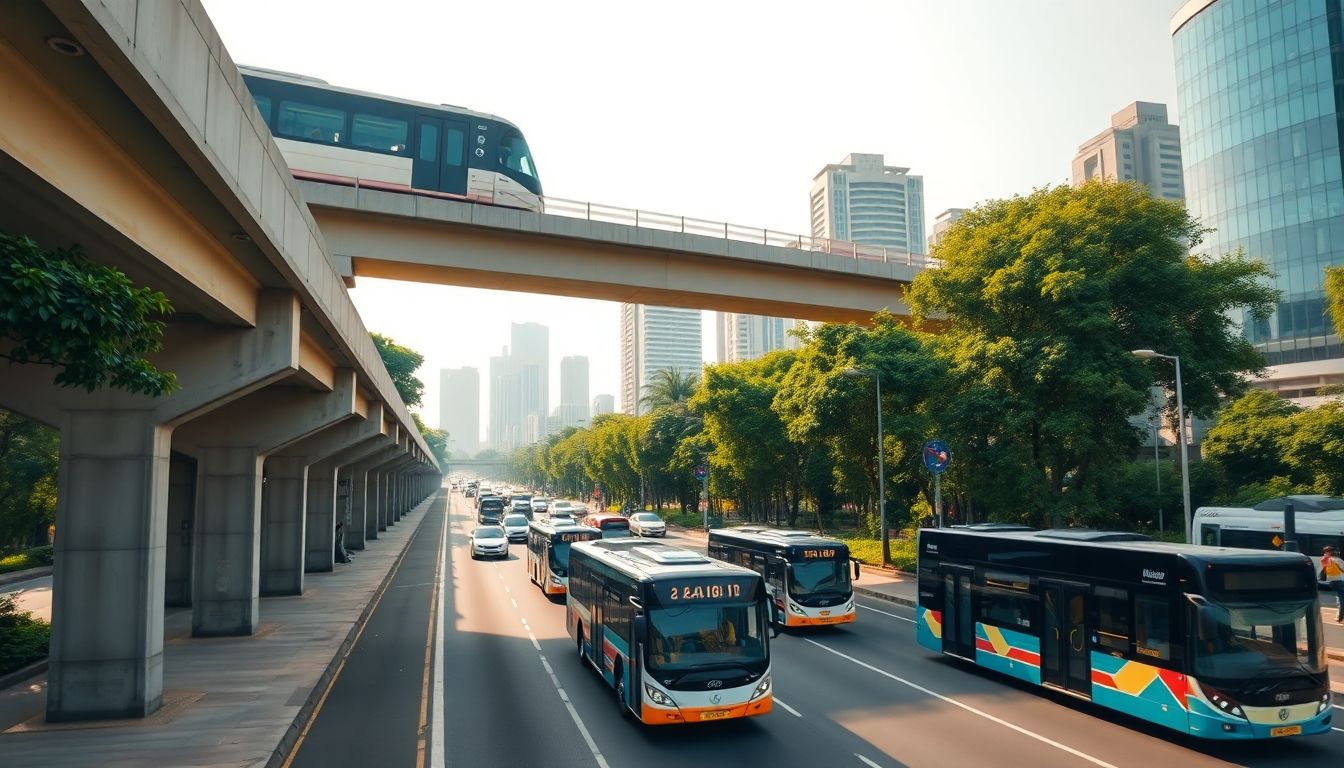
To achieve the transit target, the plan proposes expanding metro, suburban rail, and regional rapid transit system (RRTS) corridors. The infrastructure recommendations also include constructing a second airport, strengthening ring, radial, and chord roads, and developing multi-modal transit hubs across the region.
The transport overhaul is part of a broader roadmap aiming to expand the BMR’s economy from its current $149 billion to $400 billion by 2037, while creating up to 2.5 million jobs. Prepared jointly by the Karnataka government and the ISEG Foundation, the plan identifies five primary growth drivers: technology, high-tech manufacturing, healthcare and education, infrastructure and sustainability, and planned urbanisation and housing.
The BMR spans three districts and is home to around 16 million people. Although it houses approximately a quarter of Karnataka's total population, the region generates about 40% of the State’s Gross State Domestic Product (GSDP), with a per capita income nearly twice the state average.
Under the plan, the region would be developed as a major technology hub featuring dedicated IT and global capability centre (GCC) hubs, deep-tech sandboxes, and a dedicated AI mission. In manufacturing, aerospace and defence have been listed among priority sectors. Healthcare, higher education, and high-end tourism have also been marked for future growth.
For civic and residential development, the draft outlines planned cities, services-led business districts, integrated private townships, and transit-oriented development. It also recommends affordable and shared rental housing targeted at industrial, gig, and service workers, as well as a slum rehabilitation programme intended to make the BMR slum-free.
To fund these developments, the plan proposes mobilising private investment at scale and tapping into increases in land value. The recommendations will be reviewed and discussed with the relevant departments before the final plan is adopted.