Dr K S Kishore Calls for Mandatory CPR Training in Schools to Tackle Youth Heart Attacks

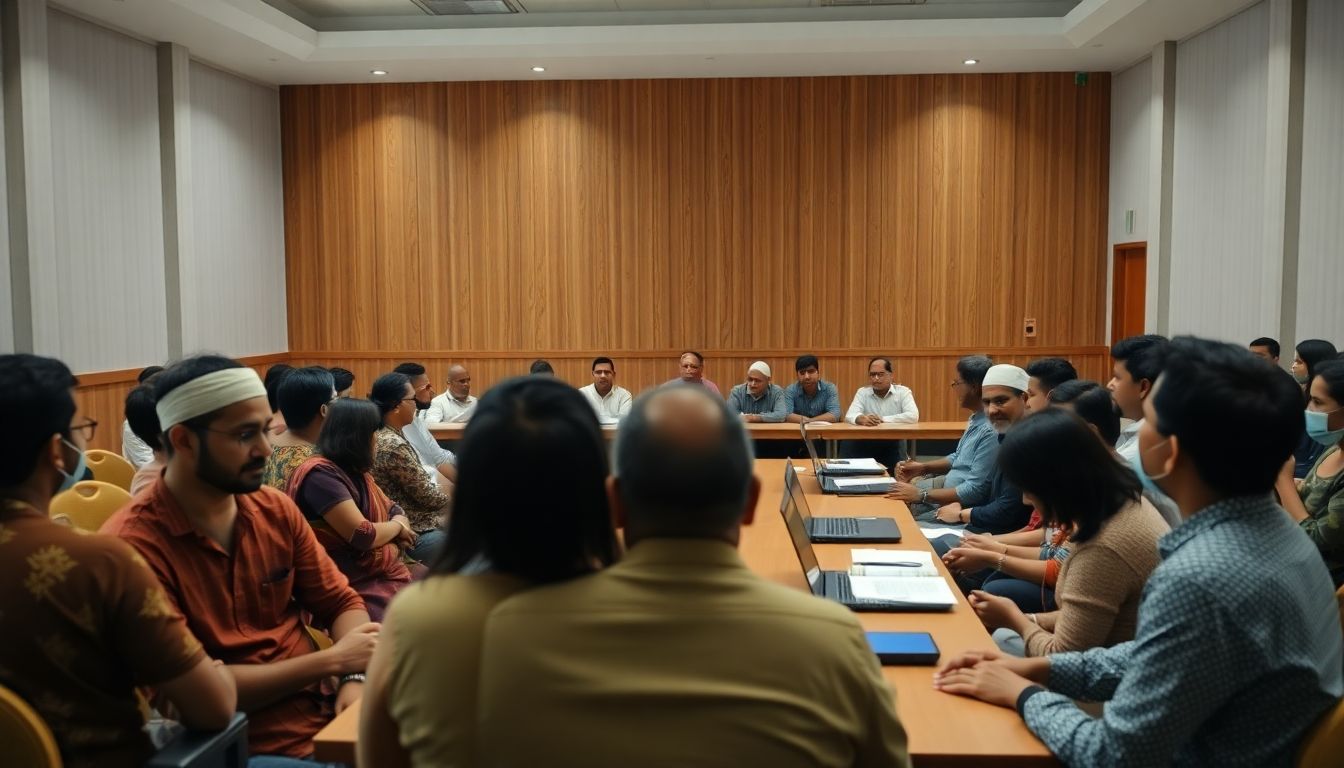
Basic cardiopulmonary resuscitation (CPR) training should be made compulsory in educational institutions, Dr. K.S. Kishore, Chief Intervention Cardiologist at Sagar Hospitals in Bengaluru, stated during the Vijay Karnataka–Sagar Hospitals VK Phone-In programme. The medical expert addressed growing concerns regarding the escalating incidence of heart attacks among young men and women across the city.
During the interactive phone-in session, several callers voiced alarm over cardiovascular emergencies increasingly affecting younger age groups. Dr. Kishore explained that heart disease is no longer confined to older demographics, emphasising that youth alone cannot be presumed to safeguard individuals from severe cardiac issues.
Dr. Kishore, whose credentials include MBBS, MD, FACC, FICC, and a Fellowship in Intervention Cardiology, attributed this troubling trend to a convergence of modern employment routines and unhealthy lifestyle habits. Key contributors identified include smoking and other substance addictions, excessive consumption of junk food, lack of adequate physical exercise, irregular sleep cycles, and extended working hours.
The cardiologist particularly highlighted the health vulnerabilities faced by night-shift workers, who frequently struggle to get sufficient daytime sleep. Over time, the human body may fail to cope with such disruptive schedules, which can eventually contribute to high blood pressure, diabetes, obesity, and cardiovascular disease.
Emphasising the urgent need for emergency preparedness, Dr. Kishore called on schools and colleges to provide students with essential education regarding heart attacks and emergency response protocols. He asserted that life-saving techniques must be introduced early in academic environments.
“Basic CPR training should be made compulsory in educational institutions. CPR is not rocket science, but people must know the correct procedure. It can be crucial in saving the life of a person who suffers a sudden cardiac arrest,” Dr. Kishore said during the programme.
Dr. Kishore concluded with a clear message that prevention must begin long before symptoms appear. He advised young people to take warning signs seriously and embrace protective habits early, including adopting regular walking routines, ensuring adequate sleep, eating home-cooked food, managing body weight, and undergoing periodic health screenings to mitigate cardiovascular risks.