Defunct Biodiversity Panels Stall Conservation Work in Bengaluru Despite New Funds
The National Biodiversity Authority (NBA) has disbursed Rs 21.34 lakh to Karnataka under the Access and Benefit Sharing (ABS) mechanism, but city-based environmentalists and researchers warn that Biodiversity Management Committees (BMCs) in Bengaluru and across the state remain largely defunct, stalling critical conservation work.
The released ABS funds came from companies that accessed vegetable and oilseed genetic resources for research and commercial utilisation. Under the Biological Diversity Act, 2002, and the Nagoya Protocol, companies commercially using such resources are mandated to share benefits with local communities.
The Karnataka Biodiversity Board (KBB) is required to use the funds to prepare and update People’s Biodiversity Registers (PBRs), support in-situ and ex-situ biodiversity conservation, strengthen biodiversity heritage sites, and conduct capacity-building initiatives. However, researchers noted that the lack of active BMCs has severely hampered the execution of these statutory provisions.
Dr TV Ramachandra of the Centre for Ecological Sciences at the Indian Institute of Science (IISc) emphasised the urgent need for structural reform. He stated that the evaluation of ecosystem services must be taken up as a priority by academic institutions alongside the revival of BMCs.
Dr Ramachandra noted that while BMCs have been recognised on paper as vital to conservation, the Karnataka Biodiversity Board must ensure they function effectively. He added that the board itself has not been operating as intended and must adhere to norms to execute its mandated responsibilities.
In cases where companies accessed resources through markets, traders, or intermediaries, authorities were unable to identify the exact source of access. In response, the NBA adopted benefit-sharing modalities drafted by an Expert Committee and approved by the Authority.
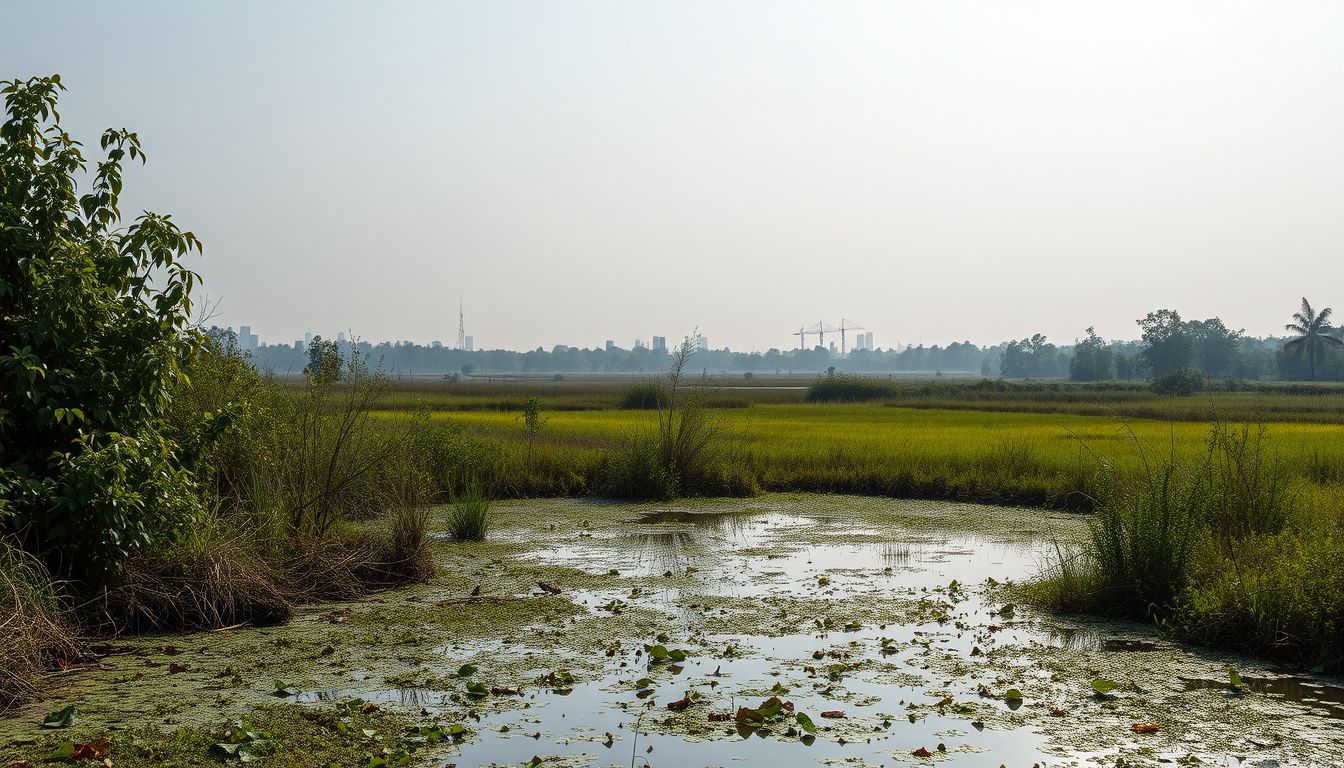
Environmentalists noted that in an urban setting like Bengaluru, active BMCs are essential to ensure infrastructure projects align with sustainability goals and to prevent avoidable damage to natural habitats. The committees are also intended to monitor local biodiversity, identify protected areas, and bridge communication between citizens, local authorities, and the state board to preserve urban wetlands and green cover.