CPCB Orders KSPCB to Report on Contaminated Sites Including Hebbal
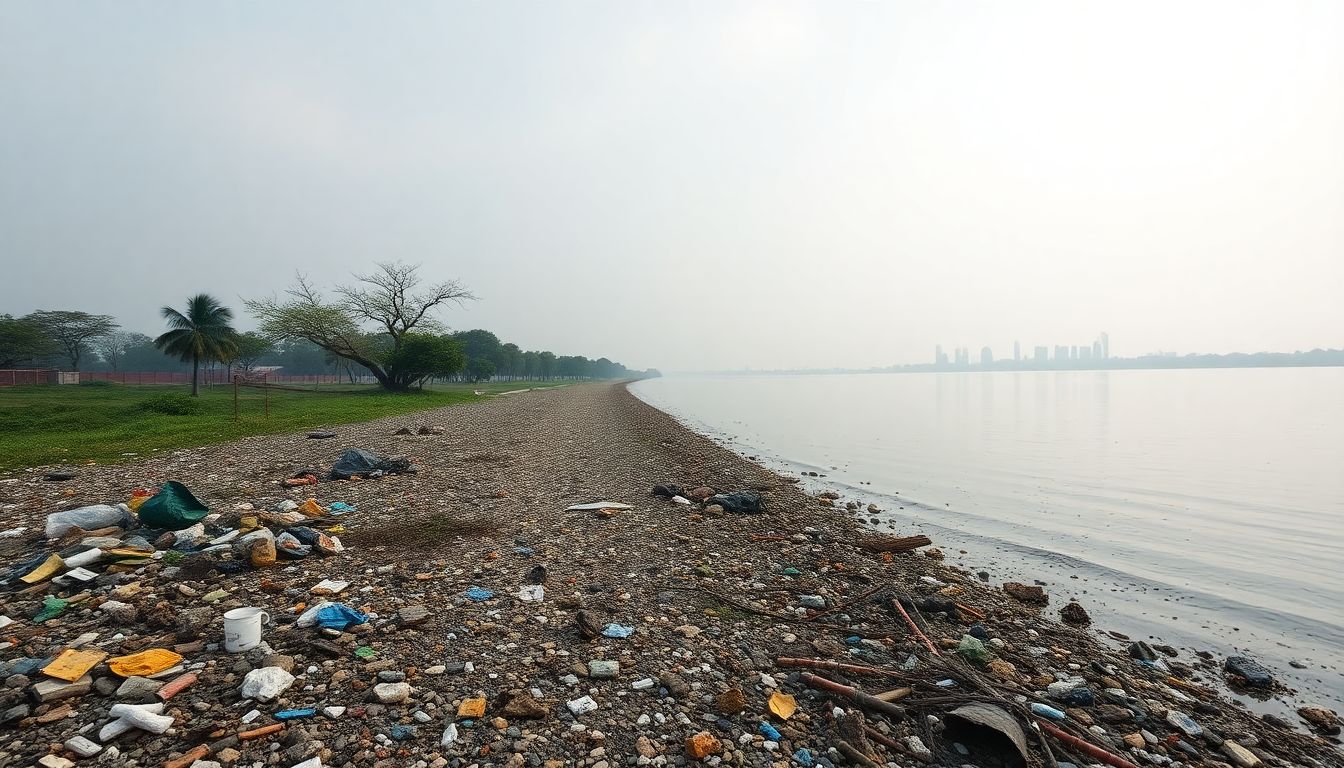
The Central Pollution Control Board (CPCB) has directed the Karnataka State Pollution Control Board (KSPCB) to submit an updated action-taken report within two weeks regarding 25 contaminated and potentially contaminated sites in the state, including Hebbal. Despite these hazardous locations being identified over six years ago, very little progress has been made toward their remediation, prompting the federal watchdog to demand immediate action.
The CPCB's directive follows a recent review meeting on the status of assessing and remediating contaminated and orphan sites, as well as the disposal of hazardous waste. The national watchdog noted that the KSPCB last shared an update in October 2022 and had failed to submit any fresh progress reports over the subsequent years.
According to the CPCB, the KSPCB must submit the updated report, supported by assessment study findings, within two weeks without further delay.
A senior KSPCB official stated that the state board is preparing the fresh report in accordance with the newly notified Environment Protection (Management of Contaminated Sites) Rules, 2025. Regional officers have been instructed to carry out fresh assessments of the 22 identified sites under this new framework.
Initially, in 2019, the CPCB identified 25 probable and contaminated sites across Karnataka, with 13 located in Bengaluru. The confirmed contaminated sites in Bengaluru include Goripalya, Mangammanapalya, Peenya, Mavallipura, and Begur Lake. Meanwhile, the probable contaminated sites include Hebbal, Lalbagh, Madiwala, Bellandur, Kengeri, Arekere, and Agara lakes. The total list was subsequently revised to 22 sites, comprising 12 probable contaminated sites and 10 confirmed contaminated sites.
Earlier, in 2020, the KSPCB had informed the CPCB that it had initiated investigations at the identified sites and awarded the study to the Environmental Management and Policy Research Institute (EMPRI).
Under the 2025 Rules, the state pollution control board is required to perform a detailed site assessment within three months of listing a probable contaminated site. This assessment involves sampling and analysis across the entire geographical extent of the site to classify it formally or remove it from the list.
The KSPCB has also been directed to submit a comprehensive list of orphan contaminated sites to seek financial aid from the Environmental Relief Fund under the Ministry of Environment, Forest and Climate Change (MoEF&CC). Additionally, the state board must follow up with the state government to set up a State-Level Committee to oversee the implementation of the new rules.