Committee recommends installing CCTV cameras inside Parappana Agrahara prison barracks
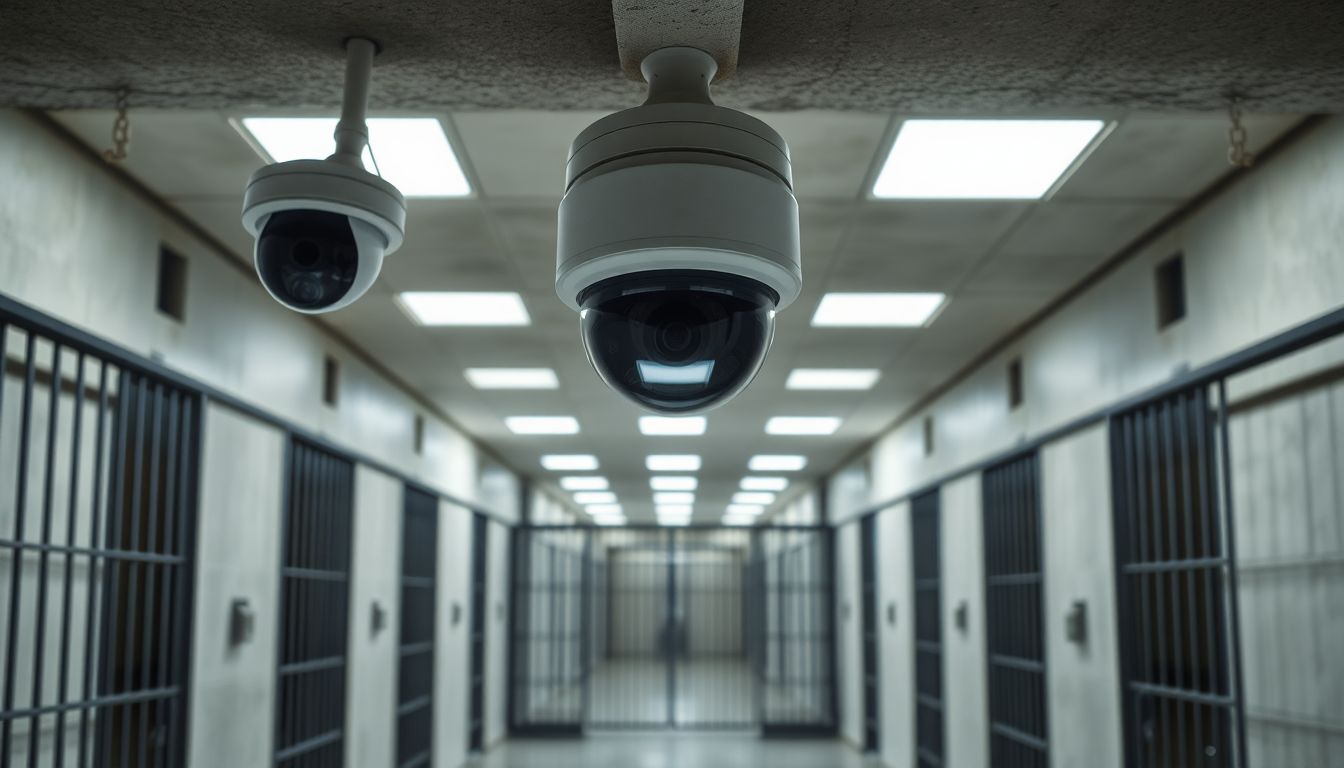
A high-level government committee has submitted a 53-point reform report to the state Home Department recommending the installation of CCTV cameras inside barracks at Bengaluru's Parappana Agrahara Central Prison to eliminate surveillance blind spots and curb illegal activities.
The committee, headed by Additional Director General of Police (Law and Order) R Hitendra, was constituted to address persistent security lapses, illegal activities, and allegations of preferential treatment extended to influential inmates.
According to the report, current surveillance at the prison is confined only to corridors and entry points. This limitation leaves significant blind spots inside the barracks, enabling inmates to smuggle narcotics, use mobile phones, and intimidate others. The panel stated that extending CCTV coverage directly inside the barracks would strengthen security and improve accountability.
The recommendations follow repeated allegations of VIP treatment at the Parappana Agrahara facility, where influential inmates reportedly accessed mobile phones, enjoyed special accommodation, and violated prison rules.
While the government has previously suspended several prison officials over administrative failures and introduced measures like biometric attendance and a central command centre, contraband remains a problem. Recent surprise inspections by the Prison and Correctional Services Department and the Central Crime Branch have continued to uncover mobile phones, SIM cards, and narcotics inside the barracks.
In addition to surveillance, the Hitendra-led committee suggested implementing reforms similar to Delhi's Tihar Jail, such as creating meaningful employment opportunities for undertrial prisoners. The report also advocated for digital prison management, e-monitoring systems, and the use of artificial intelligence.
However, the committee warned that technology alone would not eliminate illegal activities. The report stressed that deeper systemic issues, including corruption, collusion between prison staff and inmates, political and financial influence, and weak technological maintenance, must be addressed for the surveillance measures to succeed.