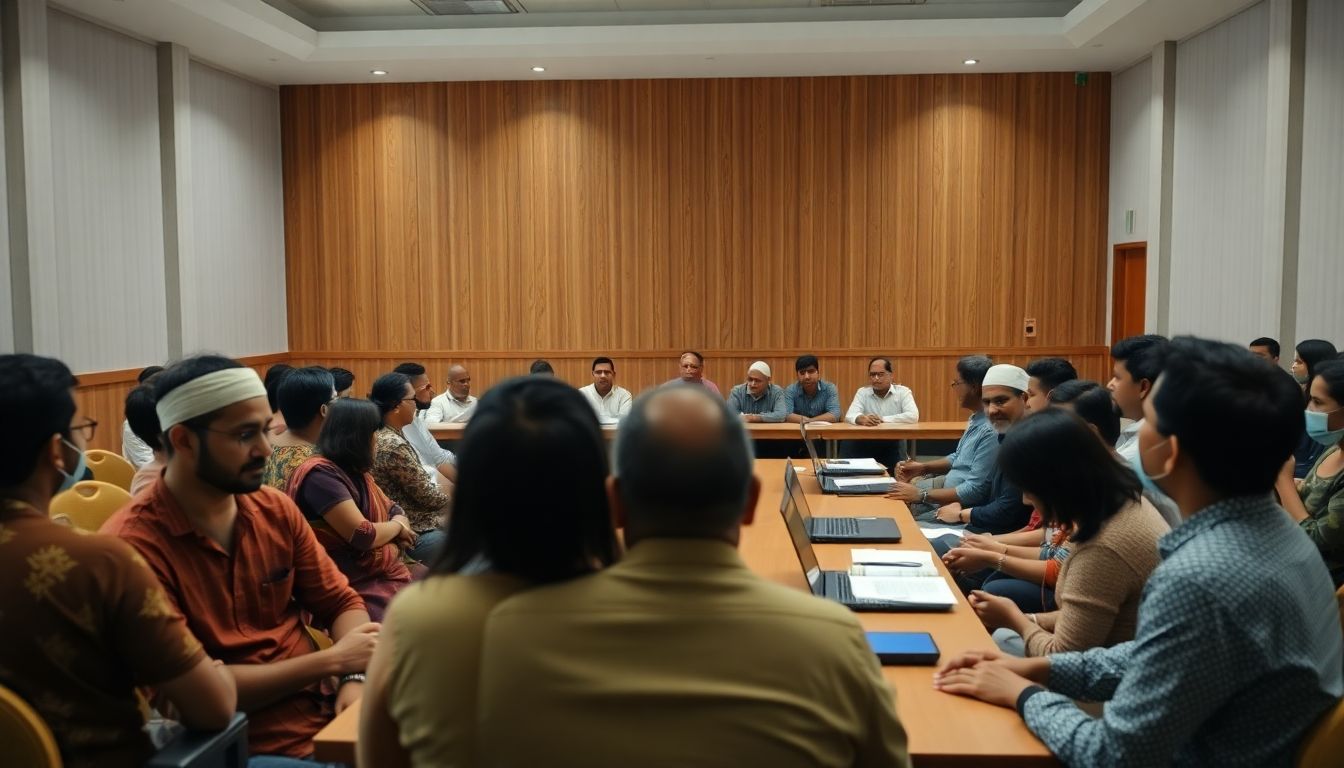
BWSSB Bans Drinking Water for Pools and Vehicles in Bengaluru, Mandates Aerators
The Bangalore Water Supply and Sewerage Board (BWSSB) has banned the use of drinking water for swimming pools, washing vehicles, and cleaning streets across Bengaluru to secure the city's water supply. Alongside these restrictions, the board has made the installation of water aerators mandatory for all buildings. These measures have been introduced in anticipation of variations in monsoon rainfall due to the El Niño effect, with the goal of ensuring long-term drinking water security.
Dr. Manjula, the Chairperson of the BWSSB, stated that three important orders were issued to promote the proper management and conservation of water. According to Dr. Manjula, the steps are intended to develop a system of responsible water use in the city, prevent the unnecessary use of drinking water, and protect the city's water resources.
Under the new regulations, both private and public firms are prohibited from using drinking water in swimming pools. Instead, the board has ordered that swimming pools must use treated water or other alternative sources.
Furthermore, the BWSSB has banned the use of drinking water for washing vehicles and cleaning streets. The board advised that treated water should be used for these purposes, as well as for watering gardens, cleaning roads and sidewalks, and executing building construction works.
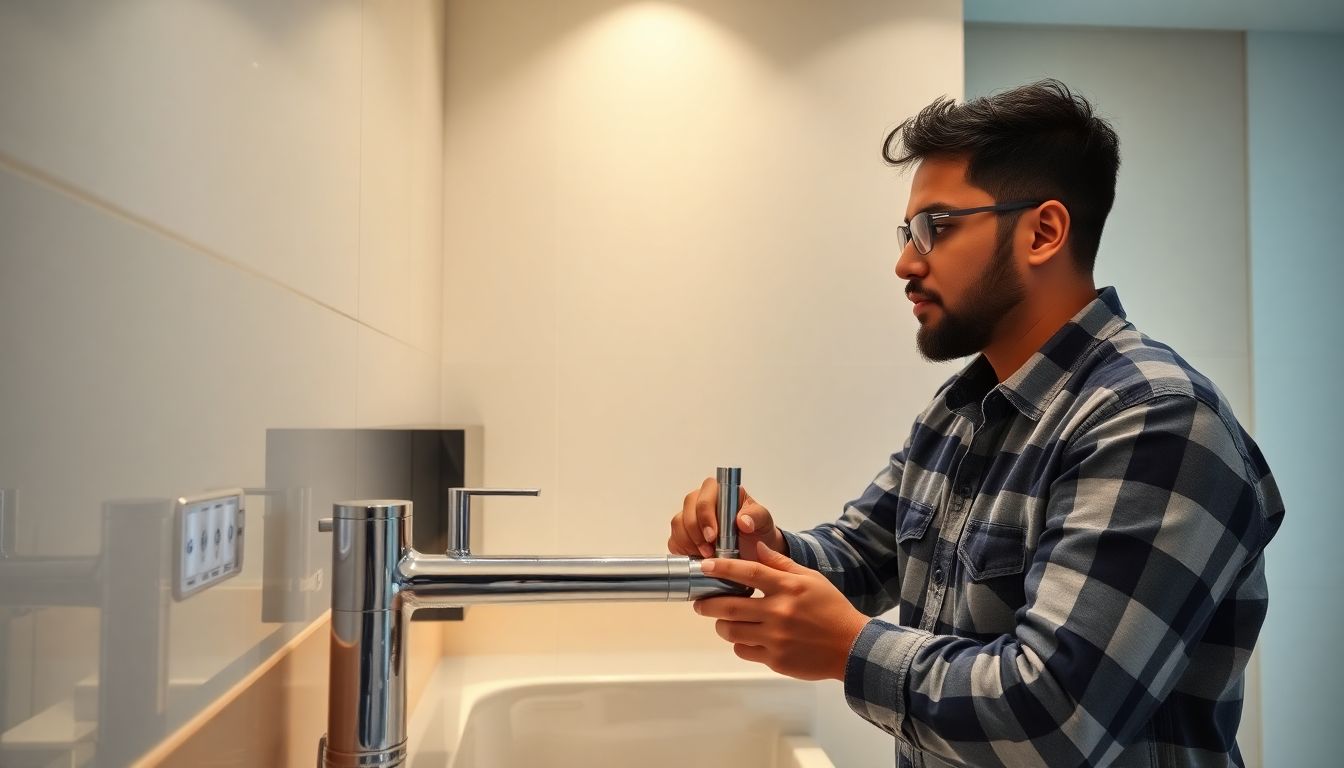
In addition to the bans, the board has issued a detailed clarification making the installation of flow restrictors or aerators mandatory. This requirement applies to all buildings that use water, including individual houses, apartments, commercial buildings, government offices, hotels, and industrial facilities. The Chairperson highlighted that installing these aerators can successfully reduce water consumption by 30 to 50 percent.
To ensure compliance with the new conservation rules, the BWSSB has established a penalty system. Any individuals or entities found violating the orders will be fined Rs 5,000. For ongoing violations, an additional fine of Rs 500 will be charged for each day the non-compliance continues, and the board will initiate necessary legal action against the offenders.