Bengaluru Urban Tests Over 2.95 Lakh Soil Samples Since 2014-15
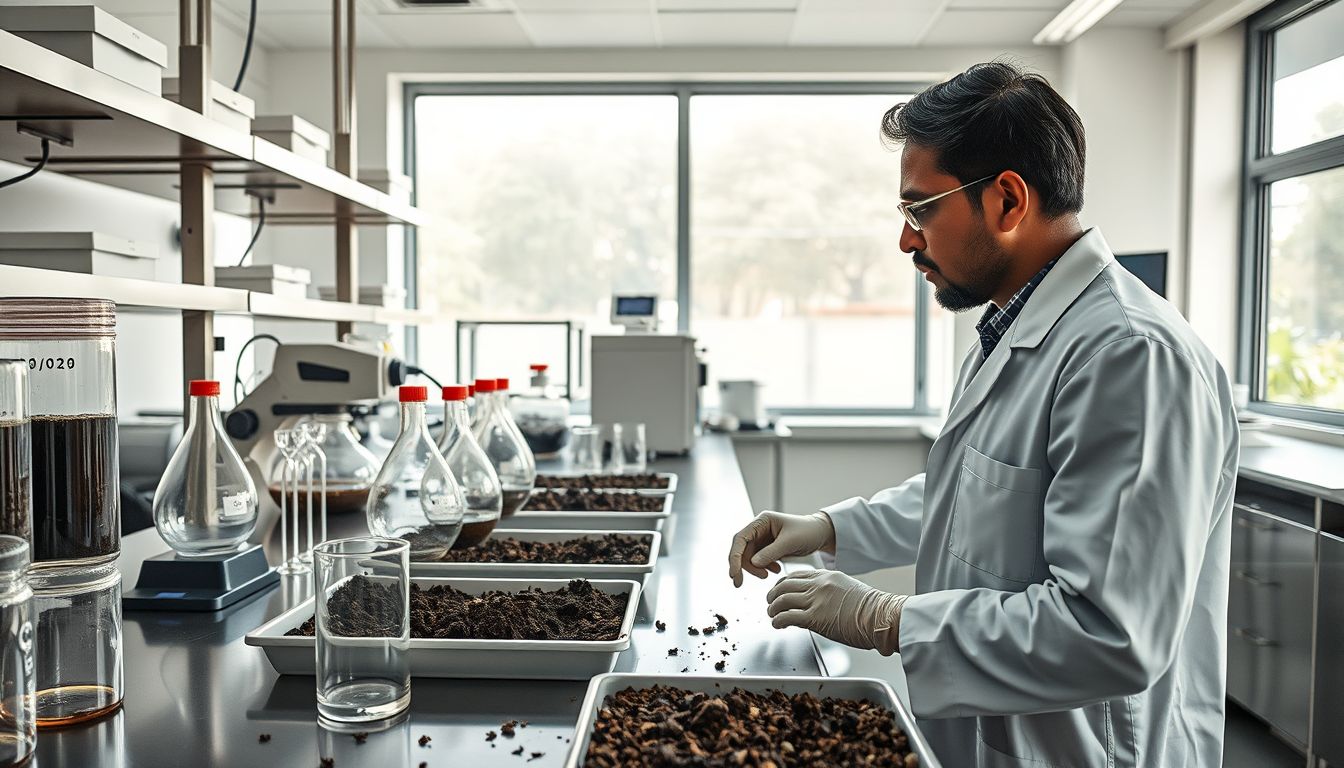
Bengaluru Urban district has collected and tested 2,95,714 soil samples over the past decade under the Soil Health Card Scheme, the highest volume among several districts in Karnataka. The district has also issued 1,72,246 Soil Health Cards to local farmers and landowners.
The figures were disclosed in the Lok Sabha by Union Minister of State for Agriculture and Farmers’ Welfare Ram Nath Thakur in a written reply to questions raised by MP B Y Raghavendra. Since the launch of the scheme in 2014-15, Karnataka has received Rs 943.2 crore in assistance, with Bengaluru Urban alone securing Rs 19.78 crore, the highest share among the listed districts.
Bengaluru Urban currently operates 11 soil testing laboratories. Supported by an advanced laboratory network and technical assistance from agricultural universities, the district has maintained high testing volumes despite shrinking agricultural space and increasing urbanisation.
Small pockets of farming continue across various parts of the city, alongside horticulture farmers growing fruits, vegetables, and flowers on the outskirts. Regular soil monitoring helps these farmers track nutrient levels, soil quality, moisture, and production capacity while countering pressures from construction and waste.
Under the scheme, soil from agricultural plots is tested once every three years. Officials noted that the updated cards provide guidance on improving soil quality and applying nutrients systematically, helping reduce unnecessary fertiliser use.
Across Karnataka, a total of 45,28,048 soil samples have been tested and 1,87,10,391 Soil Health Cards distributed. By comparison, Tumakuru tested around 2.90 lakh samples with Rs 3.44 crore in central assistance, while Kalaburagi recorded approximately 2.50 lakh samples with Rs 4.37 crore.