Bengaluru to build climate resilient bus stops and cooling stations in Rs 5 crore pilot
The Greater Bengaluru Authority (GBA) is set to sign a Memorandum of Understanding (MoU) later this week to implement a ₹5-crore climate-resilience pilot project in Bengaluru. Funded by the Union Ministry of Housing and Urban Affairs and the National Institute of Urban Affairs (NIUA), the initiative will focus on high-heat hotspots, particularly in Bengaluru North, to protect commuters and outdoor workers from extreme heat and rain.
Bengaluru North City Corporation Commissioner Pommala Sunil Kumar has been appointed as the nodal officer for the pilot project. The initiative draws lessons from heat-resilience measures previously adopted in other Indian cities, such as Jaipur and Ahmedabad, to upgrade local public infrastructure.
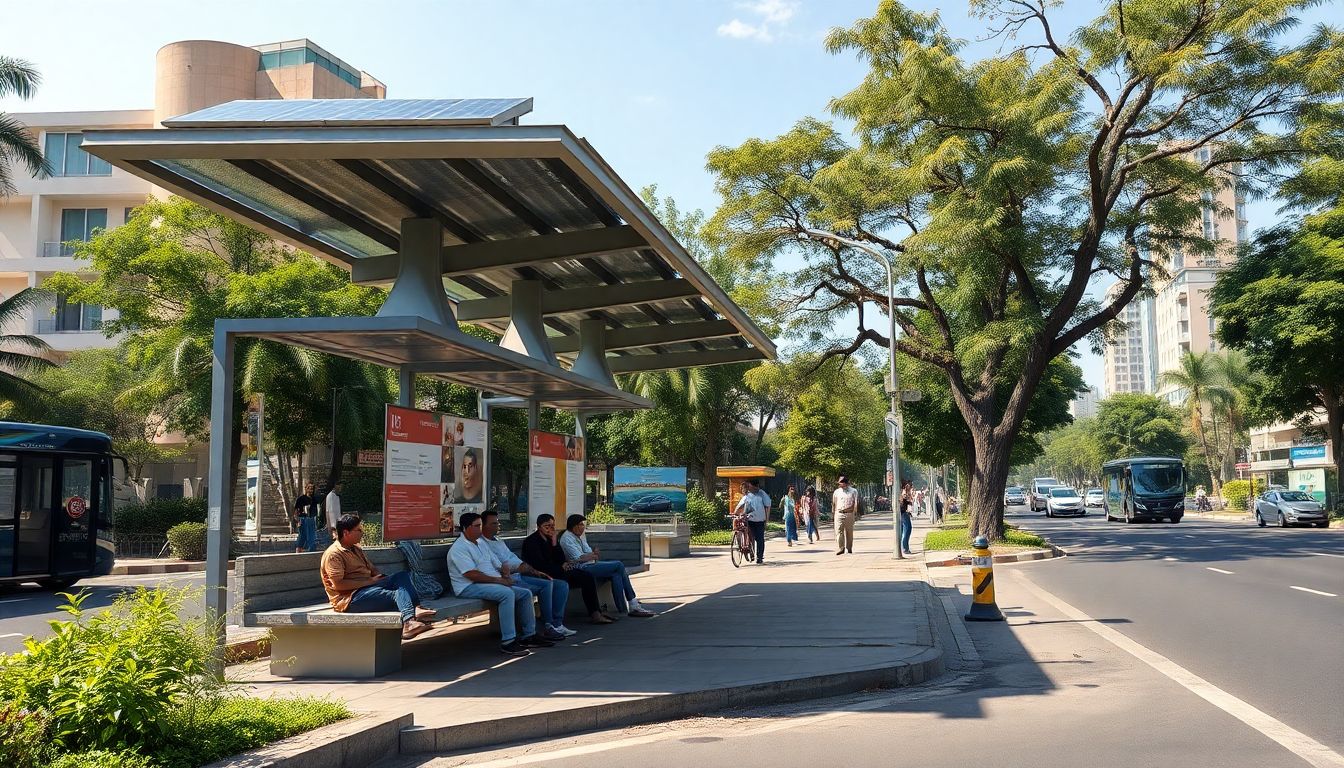
A key component of the project is the development of five climate-resilient bus stops at locations identified through a heat hotspot study. These selected bus stops currently lack shelters or have dilapidated infrastructure. The upgraded shelters will provide better protection from the weather and will display ward-level hazard maps and disaster preparedness information to raise public awareness.
The project will also establish net-zero, multi-hazard cooling stations for outdoor and informal workers. These stations will be placed at major markets, waste collection centres, parks, lakes, and Primary Health Centres (PHCs). Inspired by Jaipur's cooling stations, they will use passive cooling techniques and solar energy to offer shaded rest areas and drinking water without straining the city's power grid.
While officials acknowledged challenges like securing reliable water for misting and drinking during summer shortages and protecting solar panels and khus curtains from wear, they confirmed that maintenance mechanisms will be established.
Additionally, high Solar Reflectance Index (SRI) cool roofs will be installed on 45 public buildings. These include nine government schools, 13 anganwadis, eight Urban Primary Health Centres, eight Namma Clinics, and seven Indira Canteens. These sites were chosen because they serve vulnerable low-income communities, children, and students.
The reflective coatings are expected to lower roof surface temperatures by 8 to 10 degrees Celsius and indoor temperatures by 2 to 4 degrees Celsius. Prior testing on these buildings showed indoor temperatures fell by more than 3 degrees Celsius after the intervention.
The pilot project also includes the distribution of 3,255 cooling kits, valued at approximately ₹2,200 each, to pourakarmikas, ASHA workers, and Dry Waste Collection Centre workers to reduce heat stress.