Bengaluru Rural pomegranate cultivation expands to 1154 hectares as prices surge
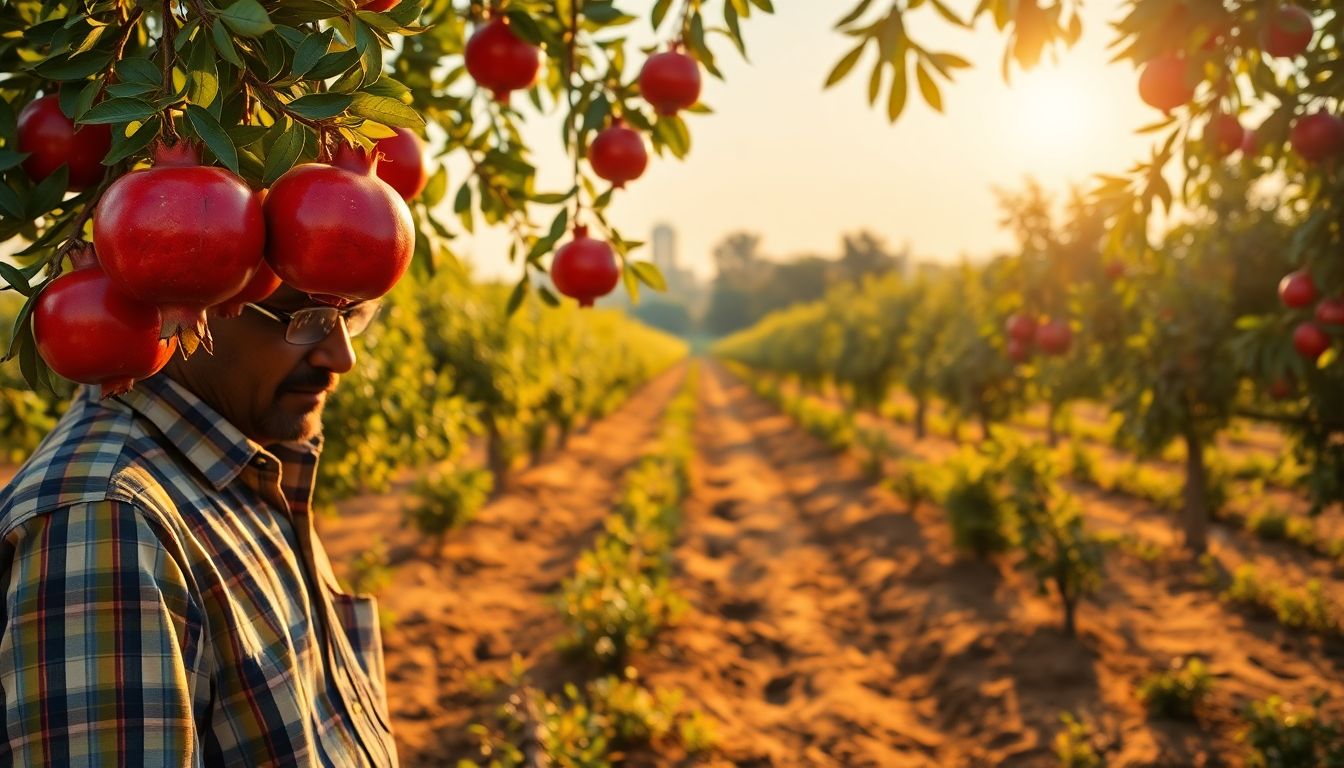
Farmers in Bengaluru areas such as Rajanukunte, Nelamangala, Yelahanka, and Chickballapur have rapidly shifted to pomegranate cultivation between the 2020-21 and 2024-25 fiscal years, driven by high market demand and lucrative prices. The shift has transformed these local regions into major hubs for the Bagwa variety of the fruit, which was previously grown primarily in semi-arid North Karnataka districts.
According to data from the Horticulture Department, the cultivation area for pomegranates in Bengaluru Rural grew from 180 hectares in 2020-21 to 1,154 hectares in 2024-25. This expansion boosted the district's production from 1,663 metric tonnes to 12,692 metric tonnes. In Bengaluru Urban, the cultivation area went from 45 hectares to 27 hectares, while production increased from 850 metric tonnes to 2,588 metric tonnes.
Muniraju Byatha, a farmer from Rajanukunte who cultivates pomegranates on his ten-acre farm, explained that Bengaluru's hot, dry, semi-arid climate and red soil are ideal for the crop. He noted that the fruit yields well when introduced to new soil and requires minimal water. Byatha stopped watering his trees at the end of January, expecting his harvest to begin in late August, with fruits entering the market by September and October.
Currently, premium first-grade pomegranates can fetch between ₹250 and ₹300 per kilogram in the market, while second-grade fruits sell for a decent range of ₹150 to ₹170 per kilogram. Byatha stated that the size and colour of the fruit grown in Bengaluru are bigger and brighter than those coming from traditional growing regions like Bagalkot, Koppal, Vijayapura, and Maharashtra.
Another farmer, Chandra N.R. from Nagadasanahalli, located 25 kilometres from Bengaluru, previously leveraged the trend by launching a farm tourism initiative. This allowed urban health enthusiasts to visit and pick their own fresh pomegranates, helping him sell more than four tonnes last year. For the current season, Chandra is selling his harvest directly to agents.
Despite the profitability, farmers face risks from Bacterial Blight, locally known as Macche Roga, which thrives in cloudy weather, wet soil, and with excessive human intervention. Krishnamurthy, Joint Director of the Horticulture Department (Planning), warned that over-fertilisation and over-watering allow pathogens to grow, causing dark oily spots, fruit cracking, and potential yield losses of 50% to 100%.