Bengaluru PM10 Levels Drop 17.4% Under Clean Air Scheme, Parliament Data Shows
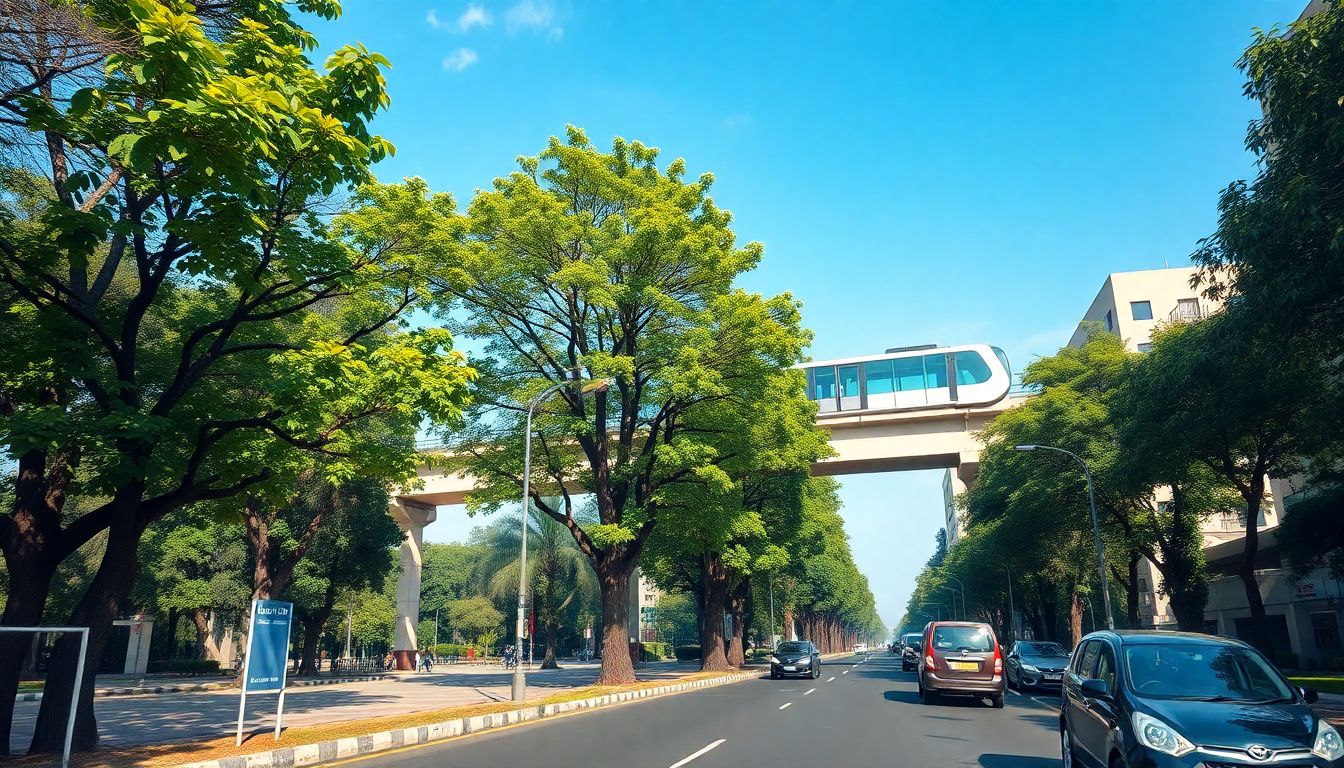
Bengaluru has recorded a 17.4% reduction in its average PM10 concentration under the National Clean Air Programme (NCAP), with levels falling from 92 micrograms per cubic metre in 2017-18 to 76 micrograms per cubic metre in 2025-26, according to data tabled in Parliament.
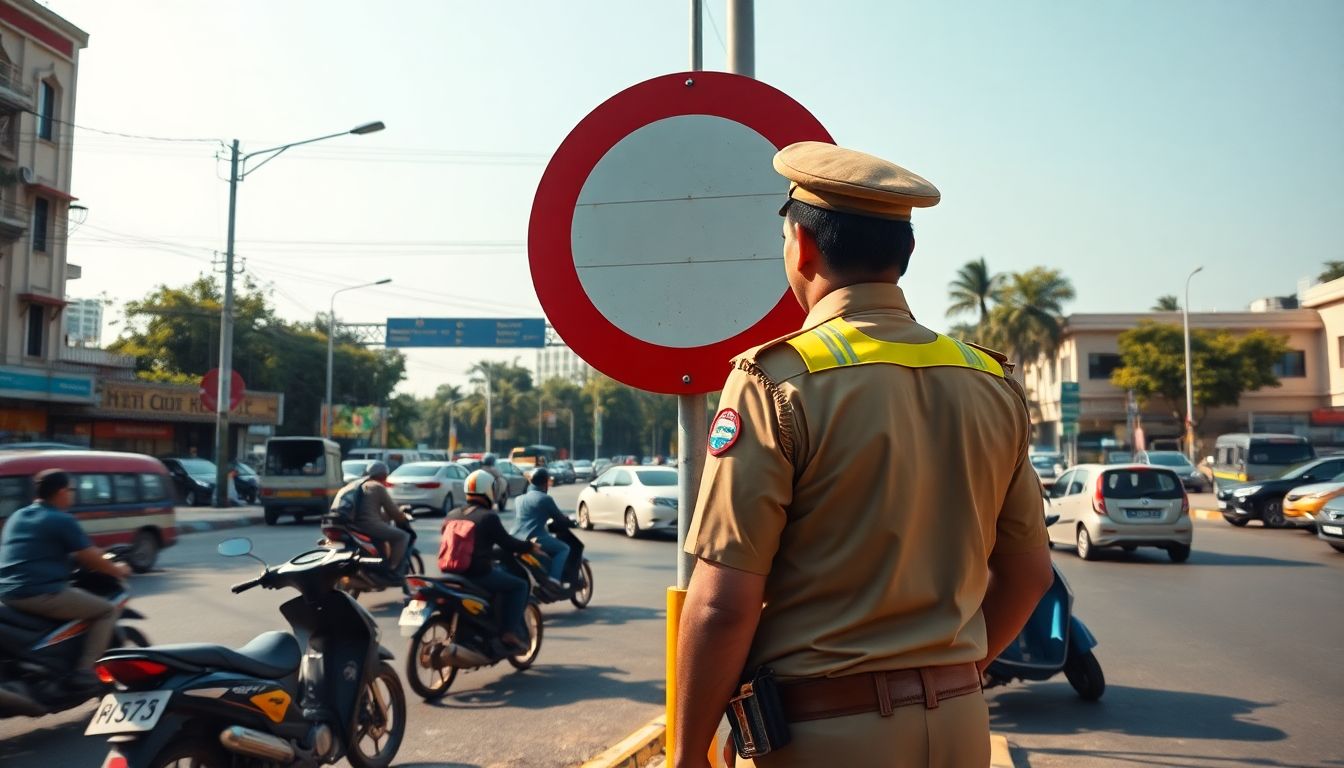
Unlike several other Indian metropolitan cities where industrial pollution is a major driver, source-apportionment studies identified road dust, construction dust, and soil as the primary contributors to Bengaluru's PM10 levels, followed by transport emissions.
Union Minister of State for Environment, Forest and Climate Change Kirti Vardhan Singh stated that the central government launched the NCAP in 2019 as a long-term national strategy covering 130 cities across 24 States and Union Territories. The initiative uses city-specific action plans to address sources including soil and road dust, vehicular emissions, waste burning, construction and demolition activities, and industrial pollution.
Between 2019-20 and 2025-26, the Centre released Rs 16,423.56 crore in air-quality performance-based incentive grants to targeted NCAP cities to support pollution-control interventions.
While Bengaluru saw improvements, other major cities recorded varying degrees of change over the same period. Mumbai registered a 49.7% decline in PM10 concentration, falling from 161 to 81 micrograms per cubic metre. Kolkata improved by 40.8% (from 147 to 87), Surat by 39.2% (from 130 to 79), Ahmedabad by 38.4% (from 164 to 101), and Hyderabad by 27.3% (from 110 to 80).
Delhi recorded a 17% reduction, moving from 241 to 200 micrograms per cubic metre, while Pune saw a 4.9% drop from 102 to 97. In contrast, Chennai recorded a 4.5% deterioration, with average PM10 levels rising from 66 to 69 micrograms per cubic metre.
The findings show distinct pollution profiles across cities. While Mumbai, Surat, and Ahmedabad grapple with combinations of dust, industrial emissions, and fossil-fuel combustion, Bengaluru's air quality challenges remain heavily driven by dust and vehicular traffic.