Bengaluru Plans 400 New Recharge Wells Across 600 Parks to Boost Groundwater
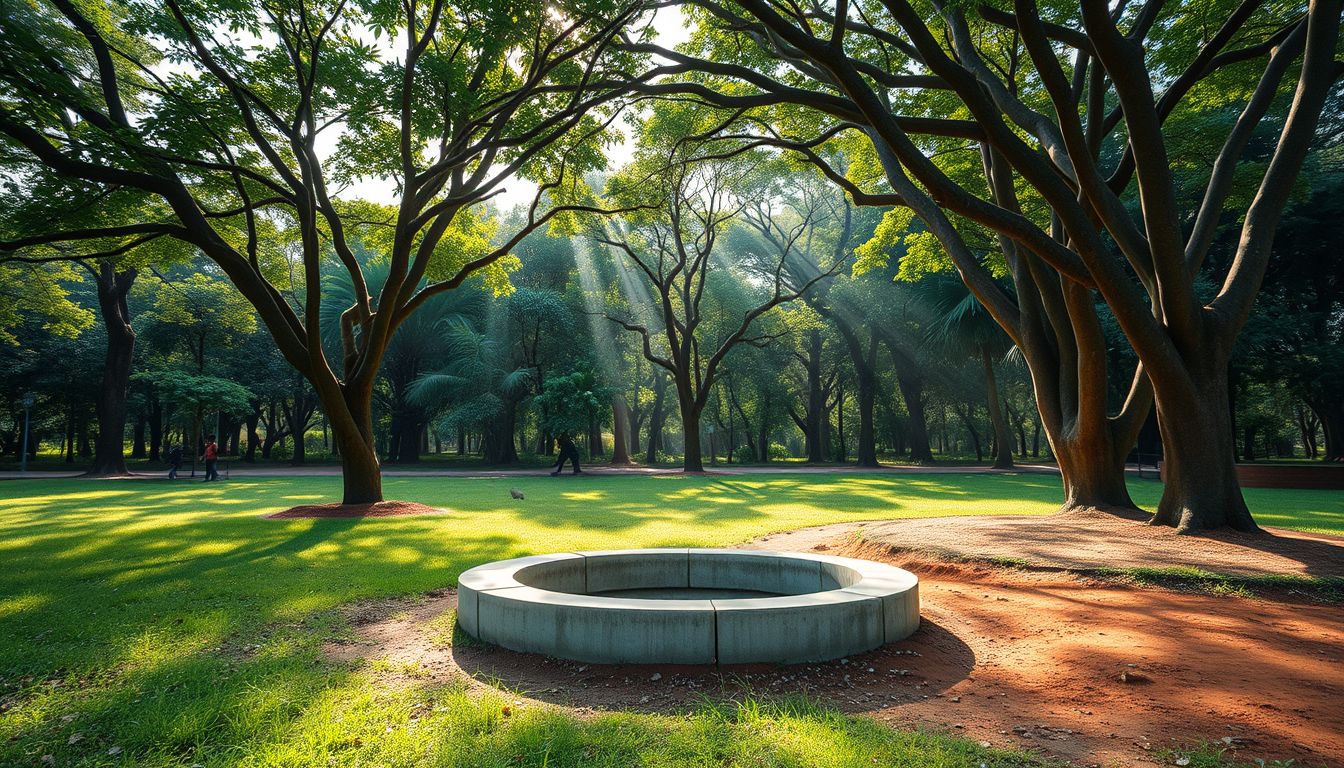
The Horticulture Department under the Greater Bengaluru Authority’s Forest, Environment and Climate Change Cell (FECCC) is preparing to survey nearly 600 parks across Bengaluru to construct 400 new recharge wells to replenish the city's depleted groundwater table.
Officials stated that the comprehensive survey of the 600 parks is scheduled to commence after September. The planned wells will be constructed to standard dimensions of 40 feet in depth and 5 feet in diameter, mirroring existing structures designed to capture rainwater runoff and recharge shallow aquifers throughout the city.
The initiative builds on previous efforts undertaken during the Bruhat Bengaluru Mahanagara Palike (BBMP) administration, during which the Horticulture Department built 2,000 recharge wells in city parks between 2022 and March 2026 in partnership with non-profit organisation United Way Bengaluru. A Greater Bengaluru Authority official explained that teams will inspect green spaces to determine where additional pits can be placed to enhance water levels.
Experts noted that technical factors, including soil depth and the underlying weathered zone, must be assessed before any drilling begins. A city-based groundwater expert explained that percolation pit efficiency varies by location, warning that pits can fill up rapidly with surface runoff without recharging groundwater at matching rates if surrounding conditions are not properly studied. Hydrologists also pointed out the need to better integrate stormwater drains with urban green spaces through linked blue, green, and grey infrastructure.
Alongside the municipal well projects, alternative recharge methods are being deployed locally. In Sector 6 and Sector 7 of HSR Layout, research organisation WELL Labs is developing sponge park models. Shashank Palur, a hydrologist at WELL Labs, explained that sponge parks utilise surface vegetation and root systems to absorb rainwater without affecting park aesthetics.
Emphasising the role of plant cover in urban hydrology, Dr TV Ramachandra from the Centre for Ecological Sciences at the Indian Institute of Science (IISc) noted that areas with good vegetation can allow nearly 70% of rainfall to contribute to groundwater recharge. He recommended avoiding unnecessary concrete structures in park areas and buffer zones along rajakaluves in favour of porous landscaping.