Bengaluru Metro Corridor Areas See 6.7 Degree Temperature Rise Since 1997
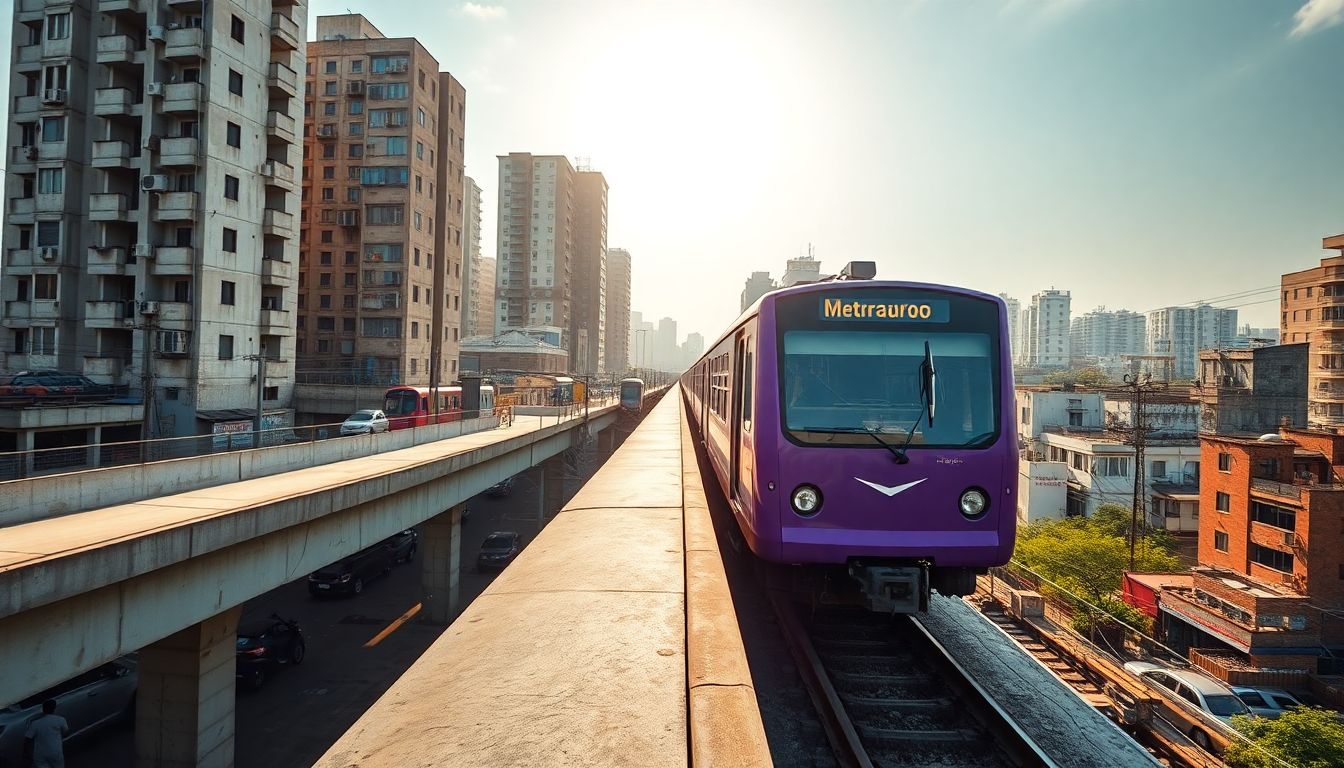
A GIS-based study by researchers has revealed that average land surface temperatures within 1.5 kilometres of Bengaluru's Green, Purple, Blue, and Yellow metro corridors have risen by 6.7°C over the last 27 years, turning once-cooler neighbourhoods into urban heat hotspots.
The study, which used satellite imagery to analyze environmental changes between 1997 and 2024, found that the average surface temperature around these transit corridors climbed from 28.24°C to 34.89°C. Researchers attribute this rise to rapid urbanisation, noting that built-up land within 1.5 kilometres of the metro lines increased by approximately 86 square kilometres during this period.
To understand the localized impact, researchers divided the study area into three buffer zones: 0 to 500 metres, 500 to 1,000 metres, and 1,000 to 1,500 metres from the metro lines.
In 1997, the average land surface temperature in these areas was 28.24°C, with cooler zones corresponding to lakes and green spaces. By 2007, the average temperature rose to 35.35°C, with temperatures exceeding 47°C in areas with bare soil and sparse vegetation.
Temperatures peaked in 2014 with an average of 36.78°C, and some locations recorded temperatures above 49°C. According to Dr. Seelam Srikanth of the School of Civil Engineering at REVA University, this spike was likely influenced by a severe drought in Bengaluru that year, along with seasonal differences in the satellite images.
By 2024, the average temperature declined slightly to 34.89°C, which is still 6.7°C higher than the 1997 baseline.
While vegetation cover remained relatively stable overall, the study noted that green spaces have become scattered and fragmented. However, a slight improvement in vegetation cover was recorded over the last five years, which researchers linked to lake rejuvenation and city greening initiatives around metro stations.
Dr. Srikanth emphasized that while the metro is vital for sustainable public transport, corridor development must be climate-sensitive. He recommended incorporating 10% to 20% green infrastructure and preserving open spaces to ensure long-term climate resilience.
The research was conducted by Dr. Srikanth alongside a researcher from the Civil Engineering Department at the Seshadri Rao Gudlavalleru Engineering College in Andhra Pradesh.