Bengaluru Food Safety Drive Finds Rotten Meat At Hotels, Quick Commerce Hubs
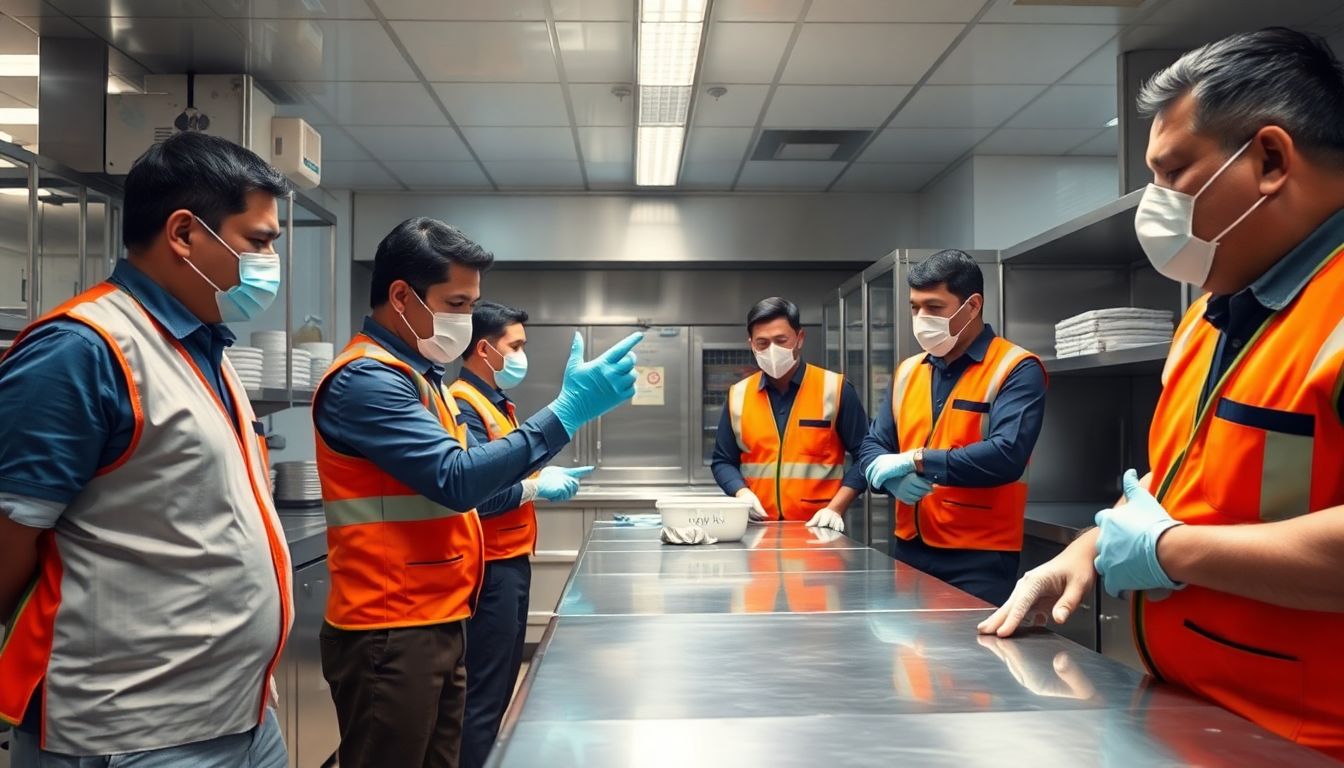
The Food Safety Division of the Food Safety and Drug Administration Department has uncovered stale food, rotten meat, and unhygienic premises during an ongoing special inspection drive targeting big and small hotels alongside warehouses of quick commerce delivery platforms across Bengaluru.
Officials conducting the drive found several operational lapses at food establishments, including rotten meat and other food items unfit for human consumption stored or prepared in unhygienic conditions.
The inspection findings have brought renewed attention to public health risks and drawn warnings from medical experts regarding the immediate dangers of consuming improperly stored or contaminated food. Doctors warned that contaminated meals can cause food poisoning, severe dehydration, and acute health complications in vulnerable individuals.
Nephrologist Dr Srivatsa A pointed out that E. coli bacteria is one of the most common microorganisms causing food poisoning or gastroenteritis. He noted that while many cases resolve without complications, severe vomiting and diarrhoea can lead to significant fluid loss, reducing blood supply to the kidneys and potentially resulting in Acute Kidney Injury (AKI).
According to Dr Srivatsa, AKI caused by dehydration usually reverses with adequate volume replacement, but prolonged fluid loss may set into Acute Tubular Necrosis (ATN) and rarely require dialysis. He emphasized that individuals with co-morbid conditions, including diabetes, pre-existing kidney disease, and immunosuppressed patients such as kidney transplant recipients, face higher risks of developing AKI compared to the general population.
Addressing common kitchen practices, experts warned that reheating stale food does not make it entirely safe, as heat-stable toxins can remain active even after bacteria are killed. Meat, poultry, cooked rice, milk products, and ready-to-eat foods require particular attention during preparation and storage.
Oncologist Dr Smitha C Saldanha explained that contaminated meat is primarily a food-safety hazard causing nausea, vomiting, diarrhoea, abdominal pain, and potentially life-threatening systemic infection. However, she noted that regular consumption of processed meat, such as sausages, bacon, ham, and cured meats, is associated with an increased risk of certain cancers, particularly colorectal cancer.
Dr Saldanha also highlighted improper storage risks at buffets, where perishable items like meat, gravies, dairy, and cooked rice foster rapid bacterial growth when kept at unsafe temperatures. Cooked rice poses a specific danger due to Bacillus cereus spores that survive cooking and multiply when improperly stored.
To prevent illness, experts recommend basic food-safety practices, including keeping cold foods below 5°C, keeping hot foods above 60°C, avoiding cross-contamination, using clean serving utensils, and discarding outdated food.