Bengaluru Engineer Summits Ladakh's Kang Yatse II After Multiple Surgeries
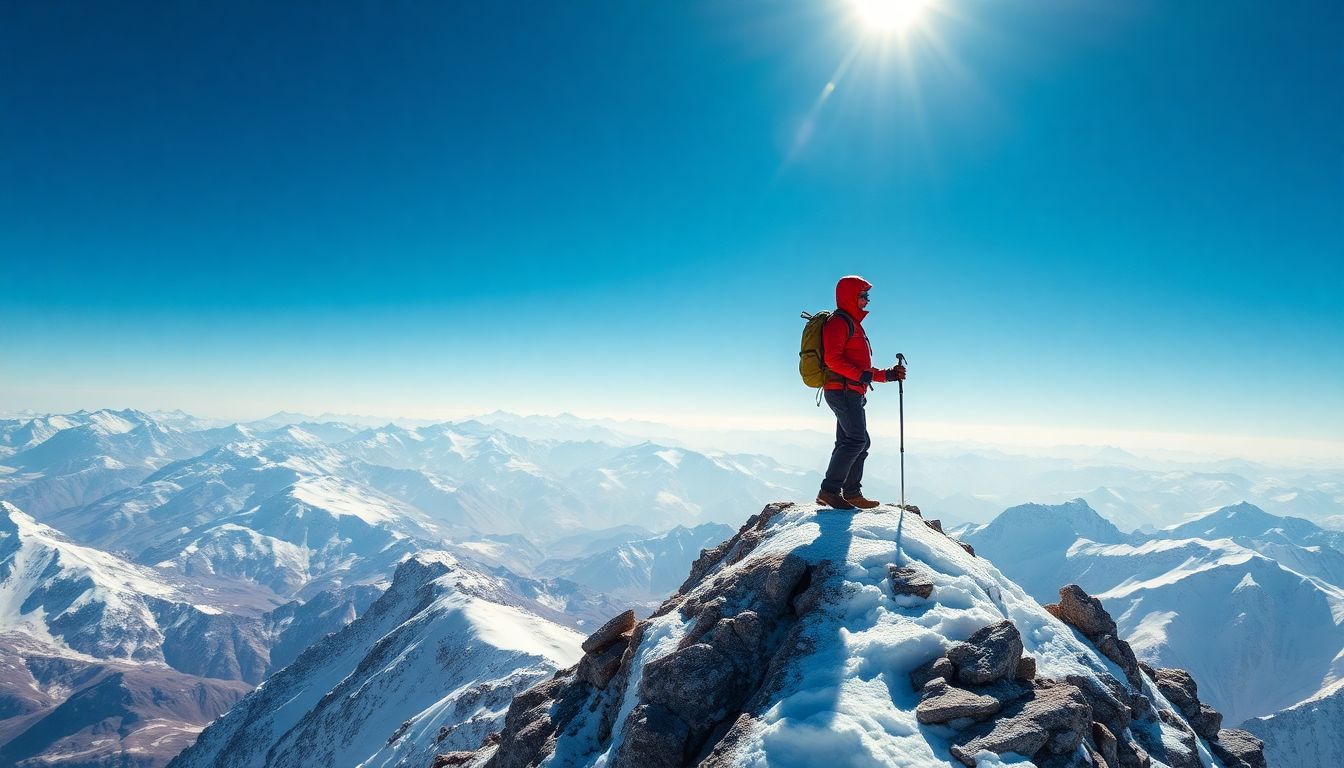
Bengaluru-based chip design engineer Shashidhar successfully summited Kang Yatse II, a 6,250-metre peak in Ladakh, in July 2026, marking a complete recovery following multiple major surgeries and months of physical rehabilitation.
Shashidhar, who works at Arm Embedded Technologies Pvt Ltd in Bengaluru, undertook the high-altitude expedition just four months after undergoing shoulder surgery. The achievement marked his return to high-altitude mountaineering after a series of severe physical setbacks that threatened his climbing pursuit.
His medical difficulties began with a motorcycle accident that caused a complete anterior cruciate ligament (ACL) tear and torn menisci in his right knee. Although he continued mountaineering, an expedition to Friendship Peak in Manali in October 2024 resulted in a fall that dislocated his shoulder and caused a labral tear.
To address the injuries, Shashidhar underwent ACL reconstruction surgery in February 2025, followed by arthroscopic shoulder labral repair in March 2026. Facing the challenge of regaining stability in both joints, he balanced his professional responsibilities in chip design with an intensive rehabilitation regimen consisting of daily physiotherapy, strength training, and gradual physical conditioning.
Four months after his shoulder operation, Shashidhar joined a 12-day expedition organised by Bikat Adventures to climb Kang Yatse II. The route began with a trek through Ladakh's Markha Valley before advancing toward the steep, icy terrain of the mountain.
The final push to the summit took place during the night in freezing temperatures and thin air, requiring the use of crampons and prolonged physical exertion. The demanding ascent tested the stability of his reconstructed knee and repaired shoulder against icy slopes and extreme altitude.
Shashidhar noted that the climb served as a significant test of mental resilience alongside physical recovery, explaining that the discipline and consistency required to overcome his injuries directly complemented his approach to endurance and professional work.