Bengaluru Commuters Face Higher Auto Fares Following Drop in Bike Taxis
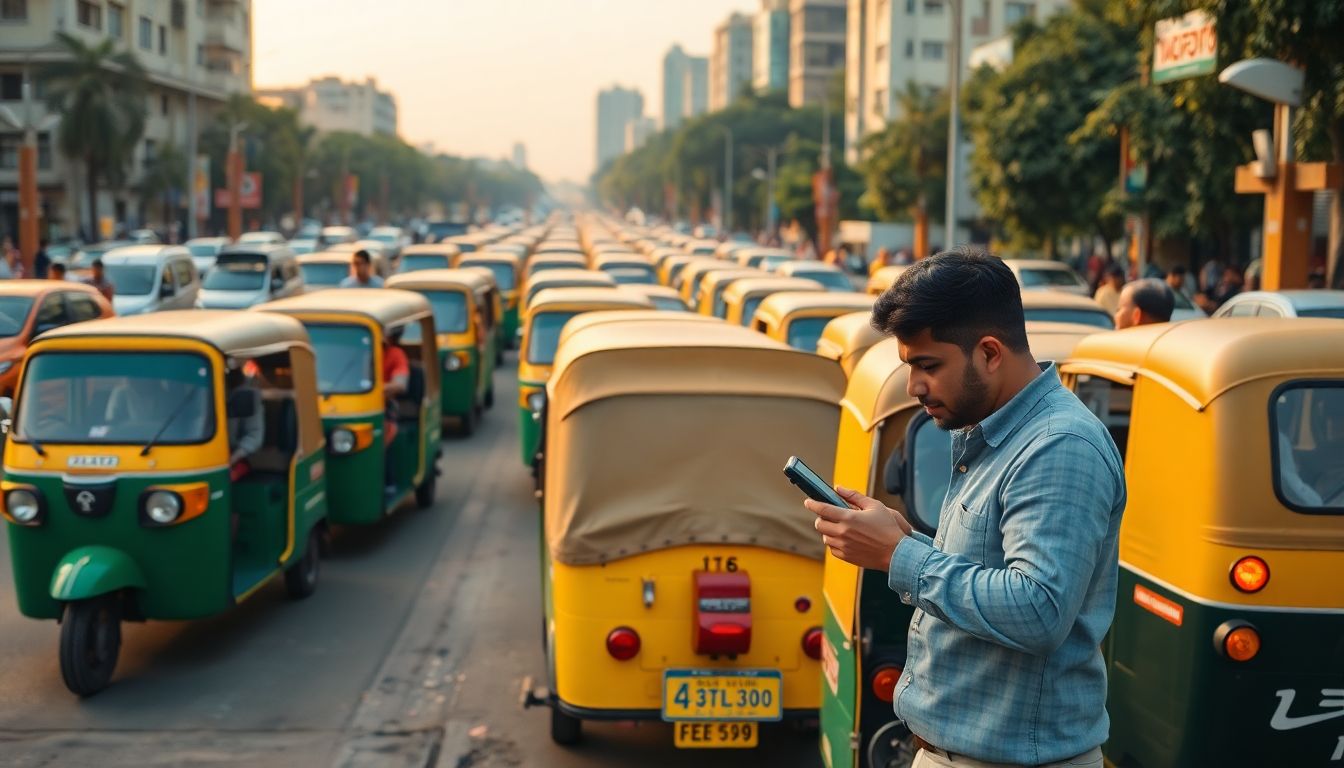
Bengaluru commuters have reported a sharp rise in auto rickshaw fares and difficulty securing rides over the past few weeks following a drop in the availability of bike taxis across the city. The decline has left many residents who previously depended on two-wheeler rides for quick and affordable daily travel with limited alternatives.
Passengers attempting to book auto rickshaws through mobile apps report that securing a ride has become increasingly difficult. Drivers frequently reject or cancel bookings unless passengers add a tip or offer an additional sum to make the fare attractive enough to accept.
According to daily commuters, fares have risen significantly across various routes. Corporate employee Anjana Nair noted that drivers often accept bookings across multiple applications simultaneously before canceling the lower-priced options. She stated that surge rates regularly climb to Rs 70 to Rs 80, making daily travel difficult to afford. Another commuter, Adarsh, stated that auto drivers often refuse to accept rides below Rs 70 to Rs 80, even for short trips that normally cost around Rs 50.
For regular commuters who relied on bike taxis, the shift has increased travel budgets. Radhika, a passenger who switched to buses and the Namma Metro, explained that a route that previously cost her around Rs 240 now costs Rs 300 or more during peak hours after the bike taxi shortage intensified.
Commuters also noted that bargaining often begins immediately after a ride is confirmed. Some drivers call passengers directly to demand additional money, claiming the fare displayed on the app is too low. In other instances, drivers instruct passengers to cancel the booking on the application and pay an agreed cash fare directly, bypassing the platform.
The official notified auto fare in Bengaluru is set at Rs 36 for the first 2 kilometres, followed by Rs 18 for every additional kilometre. However, commuters report paying considerably more than the regulated rates as they are forced to offer higher amounts or wait through multiple cancellations during peak commute hours.