Banned calcium carbide used to ripen mangoes in Bengaluru markets
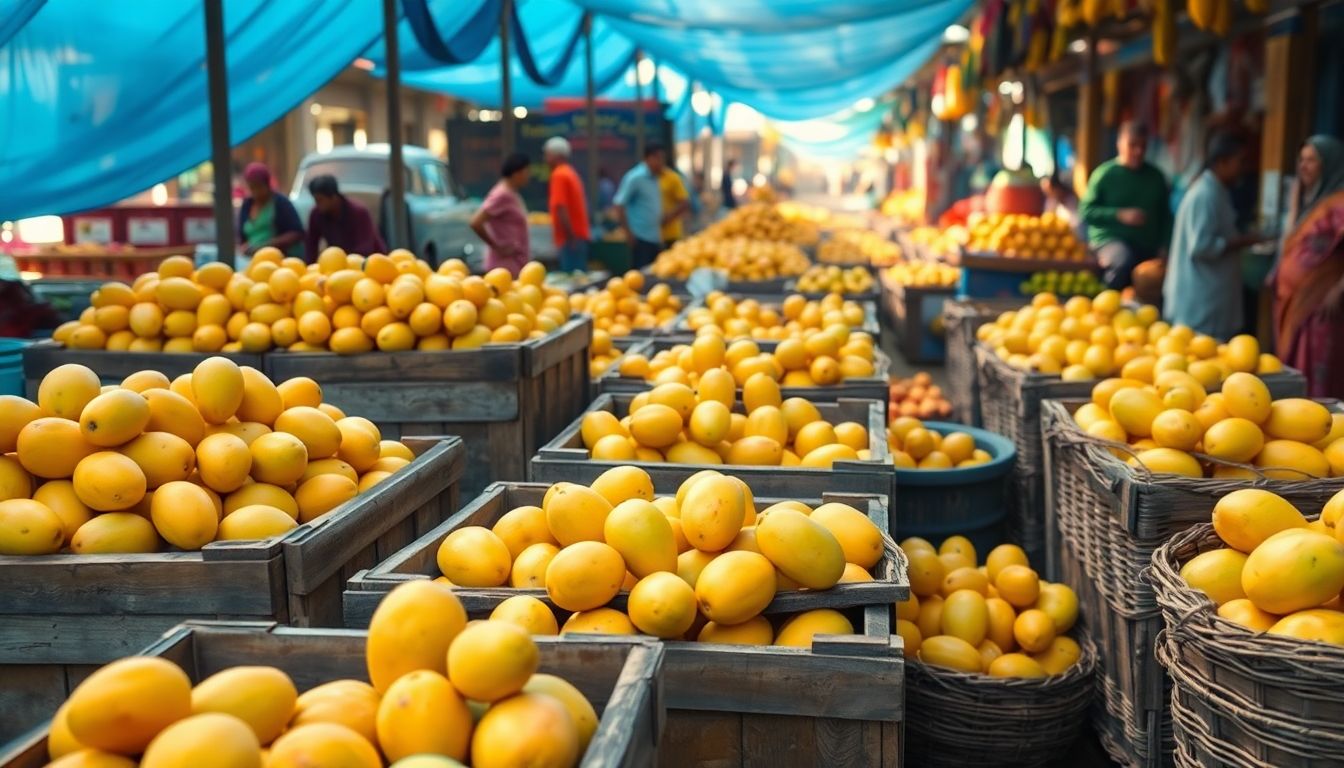
As the local mango season draws to a close, wholesale and retail markets across Bengaluru are being flooded with fruit artificially ripened using banned calcium carbide. Traders and consumers have raised alarms over the influx of chemically ripened mangoes arriving daily from various districts of Karnataka, Tamil Nadu, and Andhra Pradesh. The situation has sparked widespread concern due to inadequate inspections by the Food Safety Department.
Under existing food safety regulations, the use of calcium carbide to ripen fruit is strictly prohibited. Only controlled ethylene gas treatment is legally permitted to ripen fruits. Despite these regulations, a significant quantity of mangoes entering the city’s wholesale and retail markets is reportedly being treated with the banned chemical to meet market demands as the season ends.
Health experts warn that calcium carbide poses severe health risks to consumers. When the chemical reacts with moisture, it releases acetylene gas, which artificially hastens the ripening process. However, this reaction leaves behind a harmful residue of calcium hydroxide on the fruit.
Additionally, impure calcium carbide often contains traces of arsenic and phosphorus, which are highly toxic chemicals. The consumption of fruits treated with these substances can lead to immediate health issues.
According to medical experts, consumers who eat these chemically ripened mangoes may experience stomach pain, vomiting, diarrhea, skin allergies, and irritation of the mouth and throat. Other reported neurological symptoms include headaches, dizziness, insomnia, and memory problems.
Health experts have also cautioned that prolonged exposure to these chemical residues is linked to an increased risk of developing cancer.
Despite these significant health hazards, local traders and consumers report that the Food Safety Department has failed to conduct sufficient inspections at the city's entry points and markets, allowing the hazardous fruits to reach households.