B.PAC Audit Finds 26% of Bengaluru Public Toilets Completely Non-Functional
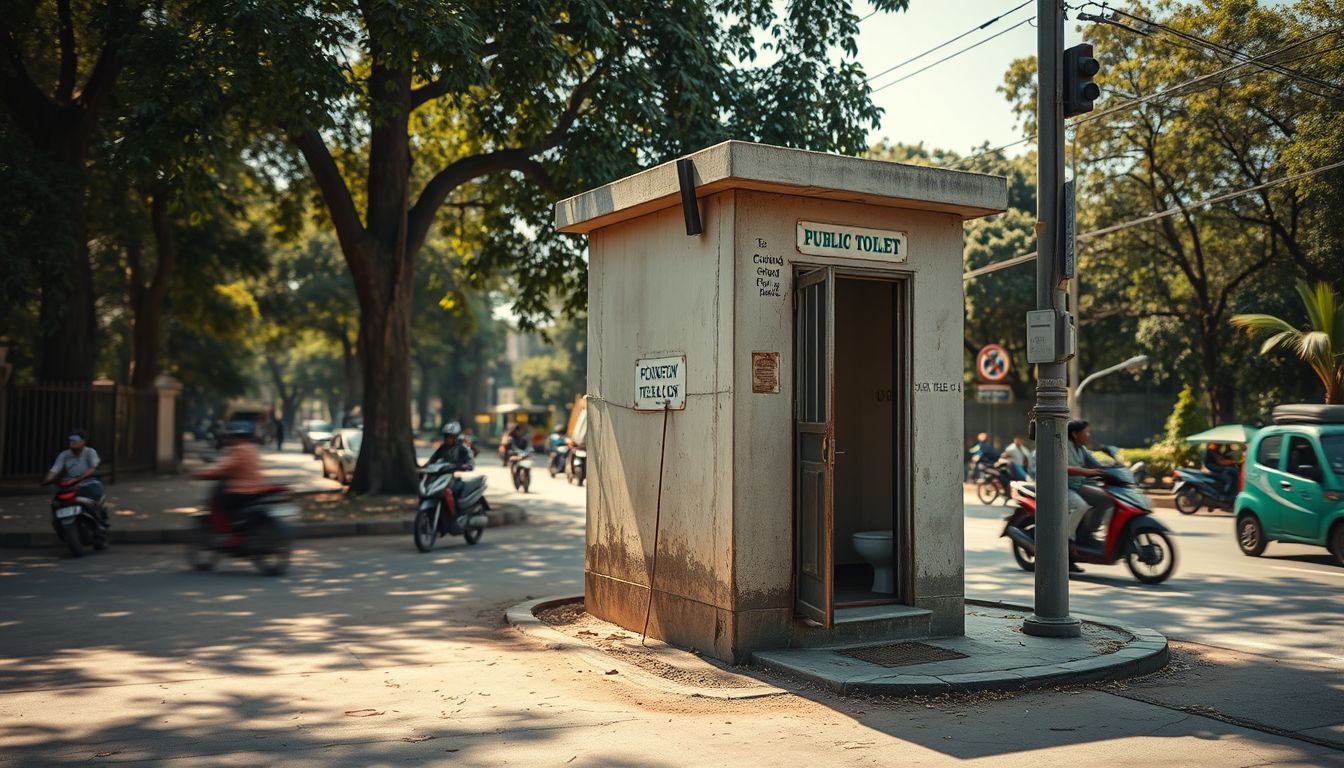
A public toilet audit across Bengaluru has revealed that 37 out of 142 surveyed facilities, or 26%, were completely non-functional, raising serious hygiene and health concerns for residents, especially women.
The audit, conducted by the Bangalore Political Action Committee (B.PAC) in April and May 2026, found that only six of the surveyed toilets were rated "very clean," while 58% suffered from a persistent foul odour. Running water was available in only around 40% of the functional toilets, and just 56% had adequate lighting. None of the 142 surveyed toilets had soap dispensers or dustbins.
According to B.PAC, Bengaluru currently has only 800 to 900 public toilets to serve a population of over 1.4 crore. Of these, 479 are officially listed under the Greater Bengaluru Authority (GBA). The organisation estimated that the city requires at least 1,000 additional public toilets, particularly at high-footfall transit points and public spaces such as bus terminals, Metro stations, markets, parks, tourist spots, and construction sites.
Following the findings, B.PAC recommended a 30-day drive to repair all defunct facilities and called for the creation of a central public toilet management cell under the GBA.
Medical professionals warned that the lack of clean facilities forces many people, particularly women, to avoid public restrooms and delay urination, leading to health risks. Gynaecologists noted that missing essentials like clean water, soap, privacy, and proper waste disposal make it difficult to maintain personal and menstrual hygiene.
Dr Priya SP Patil, a gynaecologist, said poorly maintained restrooms could become sources of infection, noting that the broader sanitation environment—such as contaminated surfaces, lack of handwashing facilities, and stagnant water—poses a major problem. Dr Rajani Vaidya noted that women face significant challenges managing periods comfortably without safe disposal options and clean water.
Gynaecologist Dr Usha BR cautioned that while occasional delays in urination do not harm healthy individuals, repeatedly holding urine for long periods due to a lack of clean facilities can impair bladder function, allow bacteria to multiply, and potentially affect kidney function over time.