Audit Finds 88% Impermeable Surface Near Shivajinagar Drains
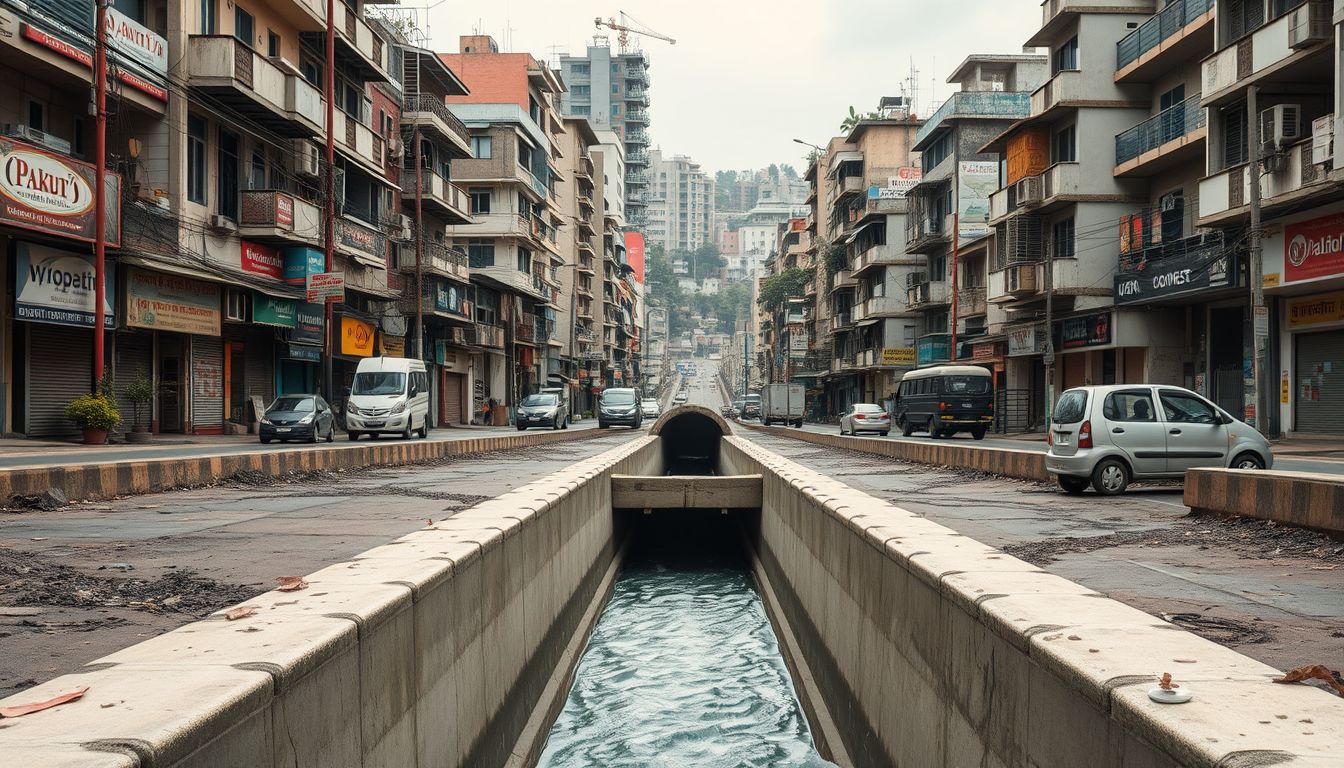
A comprehensive report marking the one-year milestone of the 'Building Resilient Bangalore' campaign has revealed severe infrastructure challenges across the city's stormwater system, including high surface impermeability in Shivajinagar and widespread unauthorized drain inlets in Vrishabhavathi Valley. The report was launched on August 8, 2026, by the MOD Foundation, which spearheads the initiative in collaboration with the Oorvani Foundation and OpenCity to foster public awareness and shared stewardship of urban drainage networks.
According to findings highlighted in the report, 88% of the surface area near stormwater drains in Shivajinagar remains impermeable, despite ₹15 crore to ₹20 crore being spent annually on drains in the area. Additionally, the Vrishabhavathi Valley system was identified as having more unauthorized drain inlets than any other valley system in Bengaluru. The study also noted that while lakes, open drains, and green cover in certain parts of the city function as heat sinks, dense built-up environments, closed drains, and dry drain beds actively contribute to urban heat islands.
The campaign was established to make Bengaluru’s 840-kilometre rajakaluve network more observable, understandable, and actionable for residents, practitioners, researchers, designers, and government agencies. Over the past year, 235 citizen auditors participated in 17 guided audits, collectively inspecting 40.8 kilometres of stormwater drains.
During these field audits, volunteers documented significant variations in the physical condition of stormwater channels, visible signs of poor water quality, and heavy solid waste accumulation. They also recorded instances of overlapping infrastructure, such as electricity poles, utility pipelines, and manholes, situated directly inside or alongside stormwater corridors.
To drive ongoing public involvement, the initiative launched multiple tools and programs, including a research knowledge framework, a citizen science audit toolkit, an interactive ecology map, an audit dashboard, typology workshops, masterclasses, and an open-access repository combining spatial data with on-ground findings.
Highlighting the need for long-term urban planning, MOD Foundation cofounder Naresh Narasimhan stated that increasing climatic events, particularly severe rain, require Bengaluru to adopt blue-green infrastructure. He emphasized moving away from a disposal mentality toward a reuse and recycle approach, adding that the city has ample water but suffers from poor management and optimization.