Astrobase Unveils India's First Private 800 kN FFSC Rocket Engine in Bengaluru
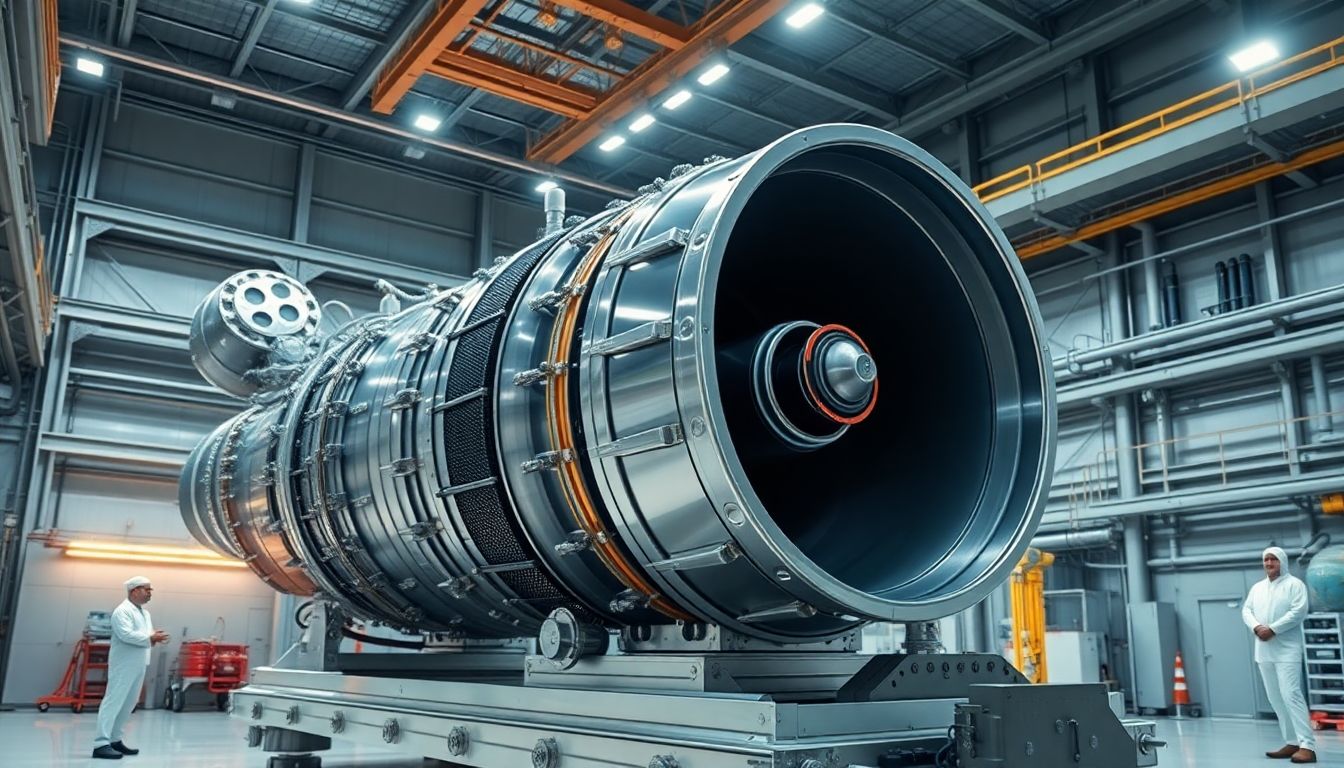
On Friday, August 7, 2026, Bengaluru-based space company Astrobase Space Technologies unveiled India’s first privately built 800 kN Full-Flow Staged Combustion (FFSC) LOX-Methane rocket engine, named EVEREST, at its facility on the outskirts of Bengaluru. The milestone makes India the fourth nation after Russia, the USA, and China to possess FFSC engine technology.
Astrobase is the first Indian firm and the fourth commercial company globally to develop a high-thrust FFSC engine, joining SpaceX and Stoke Space in the United States and Land Space in China. Currently, SpaceX's Raptor is the only operational FFSC engine in the world. The EVEREST engine is also the first LOX-Methane high-thrust engine developed by an Indian company, designed to support cleaner, reusable launch systems.
The startup was founded in 2024 by co-founder and CEO Neeraj Khandelwal and former ISRO scientist Devakumar Thammisetty. Khandelwal explained that unlike conventional rocket engines where only a fraction of propellants drive turbopumps, an FFSC engine routes both fuel and oxidiser through separate pre-burners before they enter the main combustion chamber. This architecture enables high propulsion efficiency, precise throttle control, and faster turnaround between missions.
The EVEREST engine was built using advanced manufacturing, including India’s largest industrial 3D printer. The technology unlocks reusable launch capabilities for payloads up to 30 tonnes into low Earth orbit, creating potential medium-lift platforms for commercial and strategic government missions.
Having started development in 2024, Astrobase has already tested individual subsystems. Fully integrated testing, including an engine hot-fire campaign, is scheduled to begin in the coming months at the company's test facility in Anantapur, Andhra Pradesh.
The company plans to manufacture and test around 20 engines before its targeted first orbital flight in December 2028. Currently equipped to produce six to eight engines per year, Astrobase intends to scale its manufacturing capacity to 60 engines annually. The development project received backing through the Indian National Space Promotion and Authorization Centre’s (IN-SPACe) Technology Adoption Fund.