APD Assessment of 16,265 Bengaluru Spaces Finds Severe Accessibility Gaps
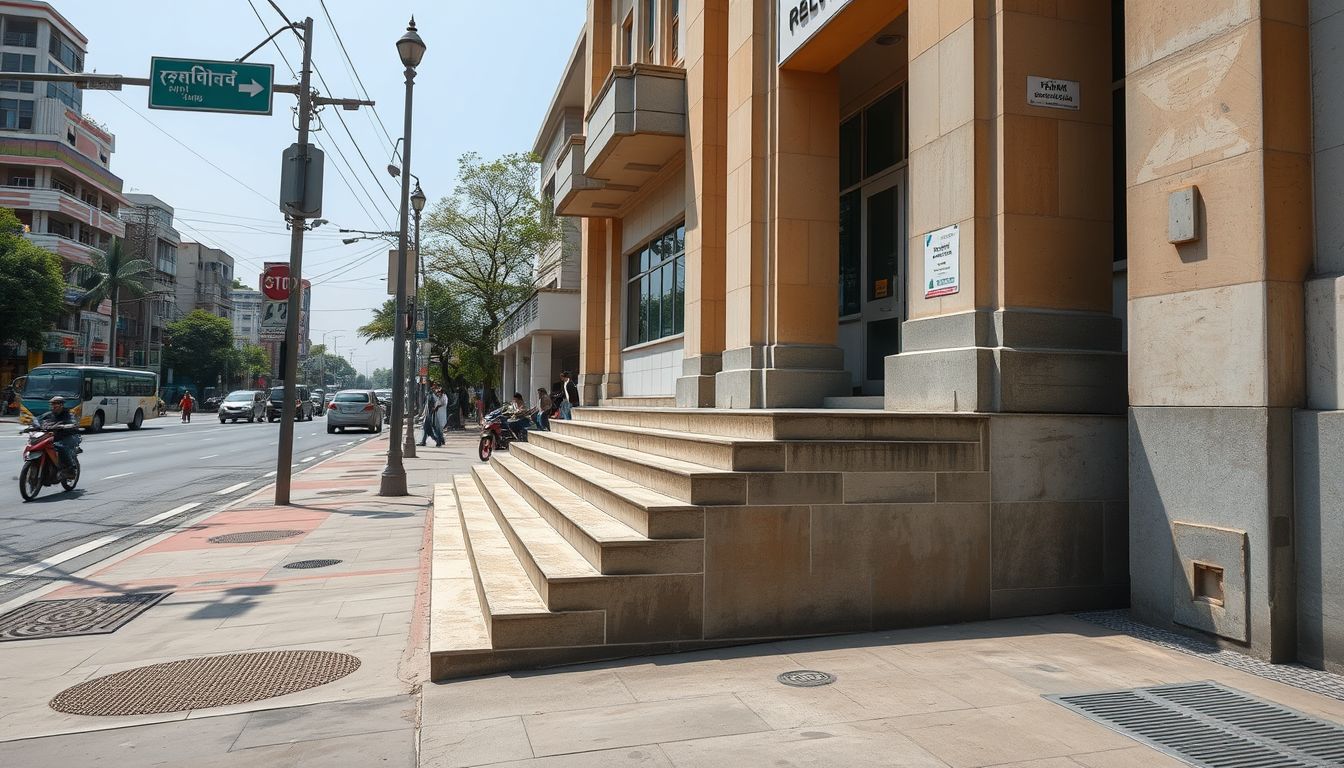
An assessment of 16,265 locations across Bengaluru conducted through the Association for People with Disability's (APD) 'Yes To Access' platform has revealed widespread infrastructure barriers across both public and private spaces in the city.
The crowdsourced platform, which maps the accessibility of surrounding environments, recorded that 11,530 assessed locations in Bengaluru lacked accessible parking. In addition, 6,106 locations lacked approach signage, 4,819 lacked internal tactile pathways, 3,740 lacked ramps, and 3,068 lacked accessible toilets.
More than 6,300 accessibility checks in Bengaluru covered educational and research institutions, hotels and hospitality spaces, retail and commercial locations, and office buildings, with gaps recorded across all categories.
According to an APD spokesperson, the findings indicate that public spaces across the city remain largely inaccessible. The spokesperson noted that this poses significant challenges for the estimated 2.74 lakh persons with disabilities living in Bengaluru, whose access to workplaces, hospitals, schools, and transit depends directly on barrier-free environments.
The spokesperson highlighted that accessibility operates as a connected chain, where an obstacle at any point prevents independent access. Even if a building is equipped with a ramp, missing signage, inaccessible parking, or unadapted toilets render the space unusable for a person with a disability.
David Istacky, managing trustee of The Good Sam Foundation, noted that most spaces have been planned without considering mobility issues. While citing Namma Metro as a positive example featuring lifts, tactile guidance, wheelchair access, and audio-visual information, he emphasized that such facilities must be linked with accessible footpaths and street crossings.
Advocates highlighted the absence of direct representation of persons with disabilities in planning and design stages as a structural barrier. They urged authorities to introduce mandatory accessibility audits, enforce standards on footpaths and pedestrian crossings, remove encroachments, and involve persons with disabilities during initial infrastructure planning.