Activists Urge Karnataka Home Minister to Halt Bengaluru Migrant Verification Drive
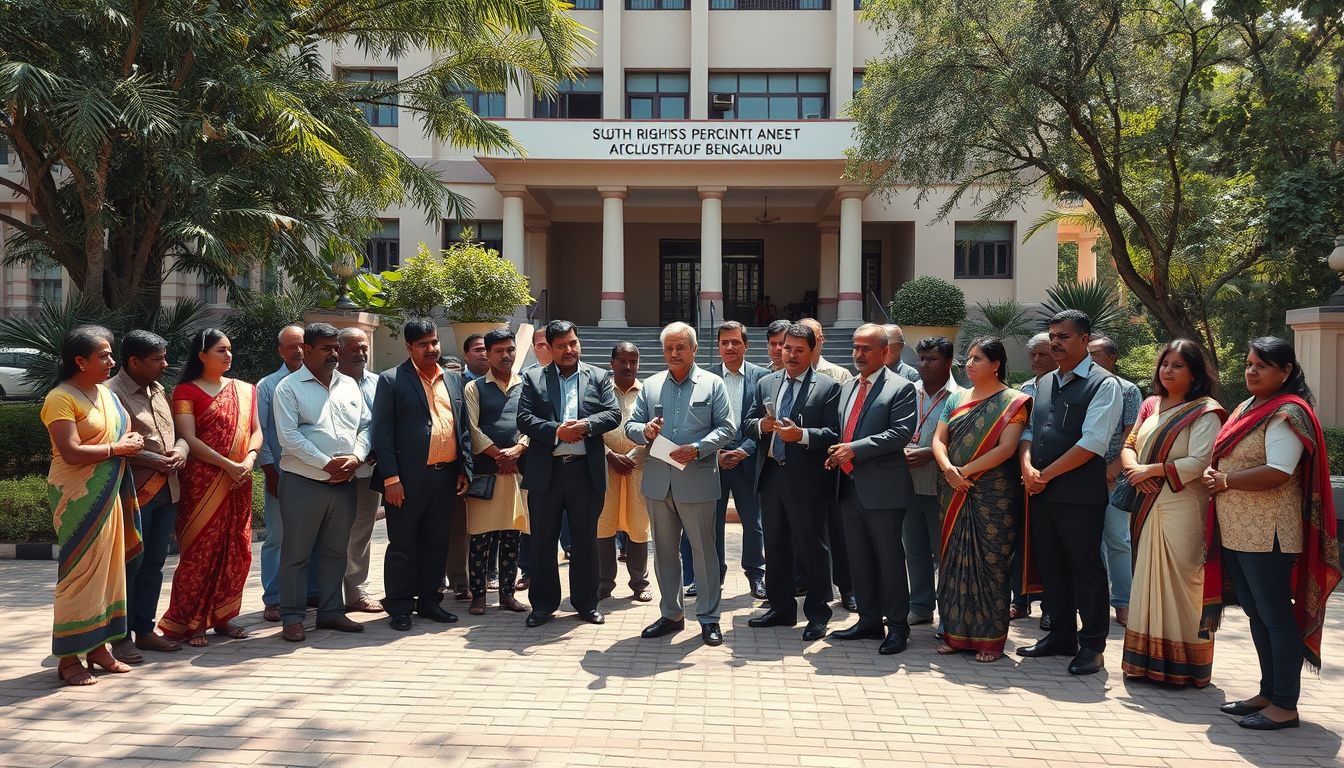
A collective of civil society members, lawyers, trade union representatives, and citizens has urged the Karnataka government to immediately stop an ongoing police verification drive targeting Bengali-speaking migrant workers in Bengaluru, alleging widespread procedural violations, arbitrary detentions, and racial profiling.
In an open letter addressed to the Karnataka Home Minister, the signatories stated that the verification drive began on August 8, when police teams entered various settlements across the city. The letter alleged that personnel detained hundreds of Bengali Muslim migrant workers, including women, children, and elderly individuals, without establishing reasonable grounds for suspicion.
According to the group, more than 900 migrants were detained on the first day of the operation. Nearly 800 of those individuals were released within 24 hours following interventions by human rights lawyers and civil society activists. Legal representatives assisting the detained workers stated they were unable to locate any official documentation justifying the detentions, describing the exercise as lacking any basis in law.
The letter also detailed allegations of physical abuse during the operation, stating that multiple workers reported being beaten with lathis and forcibly taken into custody despite attempting to show valid identity documents to officials.
The signatories highlighted an absence of standardized procedures among different police stations involved in the drive. According to the representation, officials applied inconsistent standards when reviewing citizenship records, with some stations accepting West Bengal SIR voter rolls while others deemed them insufficient, or demanding extra paperwork beyond NRC certificates.
Furthermore, the group alleged that police personnel later shifted the verification drive inside the residential settlements rather than transporting individuals to detention facilities. The letter stated that officers confiscated and searched workers' mobile phones—including private text messages, call logs, and photographs—while subjecting some residents to threats of eviction and deportation.