40.1% of Women in Bengaluru Urban Are Overweight or Obese, NFHS-5 Survey Reveals
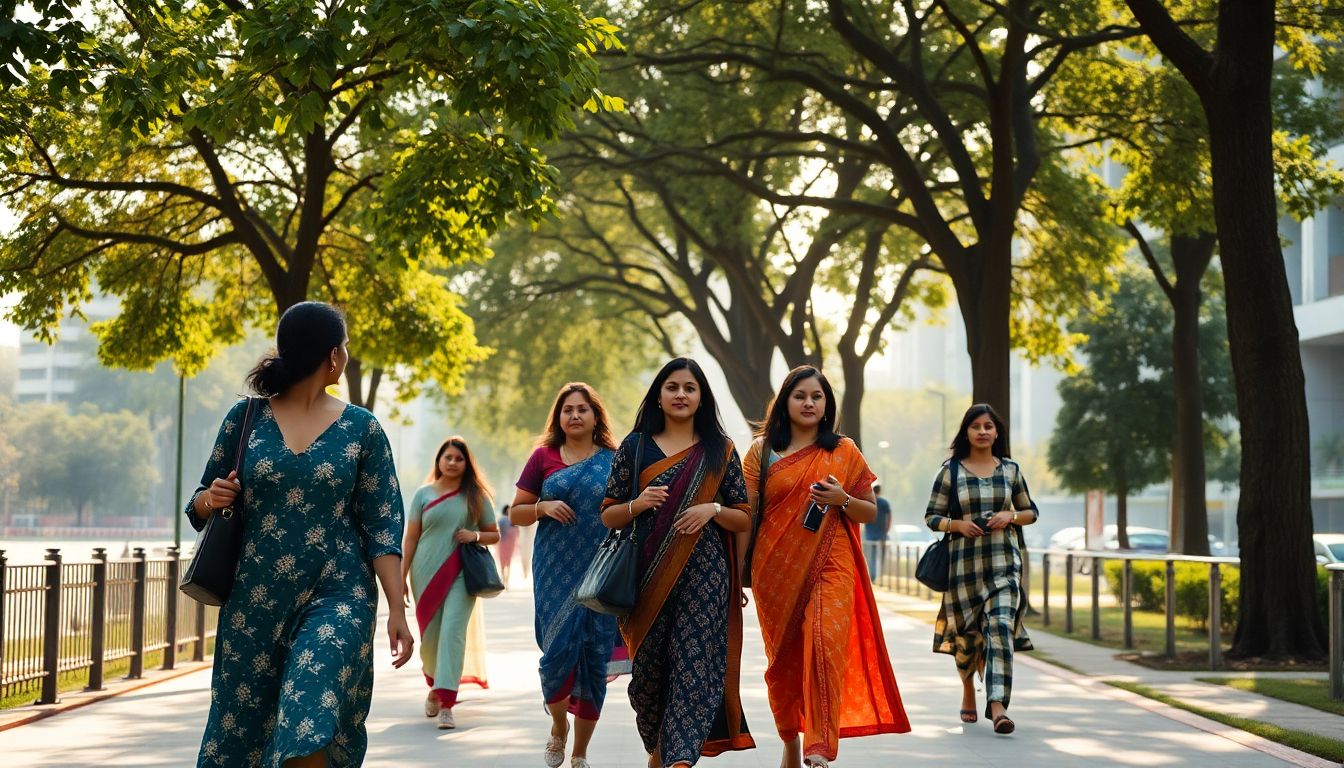
Data from the National Family Health Survey-5 (NFHS-5) has revealed that 40.1% of women aged 15–49 in Bengaluru Urban district were classified as overweight or obese. The figure includes women with a Body Mass Index (BMI) of 25 kg/m² or above, underscoring metabolic health as a significant public health challenge in the city.
The prevalence in Bengaluru Urban is substantially higher than the overall Karnataka average for women. Across the state, 30.1% of women and 30.9% of men in the 15–49 age bracket were recorded as overweight or obese, showing that men marginally outnumbered women at the state level.
Health experts highlighted that the rise in excess weight is tied to shifting urban lifestyles rather than cosmetic appearance. Contributing factors include long work hours, daily commuting, fewer opportunities for physical activity, stress, irregular meal timings, and increased reliance on processed food and delivery services. Women also frequently manage household and caregiving responsibilities alongside paid employment, leaving little time for planned exercise, adequate sleep, or regular meals.
“Weight should not be looked at simply from the point of appearance. What is more important is whether a person has good metabolic health. Urban women often juggle work, household responsibilities and caregiving, and regular exercise and balanced meals can become secondary. At the same time, convenience foods and irregular eating patterns have become more common,” said Dr Venktaraja, a senior physician.
The survey noted that excess body fat and metabolic dysfunction raise the risk of developing conditions such as type 2 diabetes, hypertension, and cardiovascular disease. At the same time, Karnataka continues to grapple with dual forms of malnutrition: 17.2% of women and 14.3% of men in the state were categorized as thin.
The data also revealed that excess weight increases sharply with age across Karnataka. The proportion of overweight or obese women rose from 21.5% in the 20–29 age group to 37.7% among those aged 30–39, reaching 42.9% among those aged 40–49. Among men, the rates were 21.7%, 40.5%, and 41.2% across the same respective age groups.
Medical and nutrition experts advised against crash diets and appearance-driven weight loss targets. Instead, they recommended sustainable lifestyle adjustments, including regular physical activity, sufficient sleep, minimally processed home-cooked meals rich in protein and fibre, and reduced consumption of sugary drinks.