19th-century Chikkajala Fort to be restored with CSR funds a decade after demolition
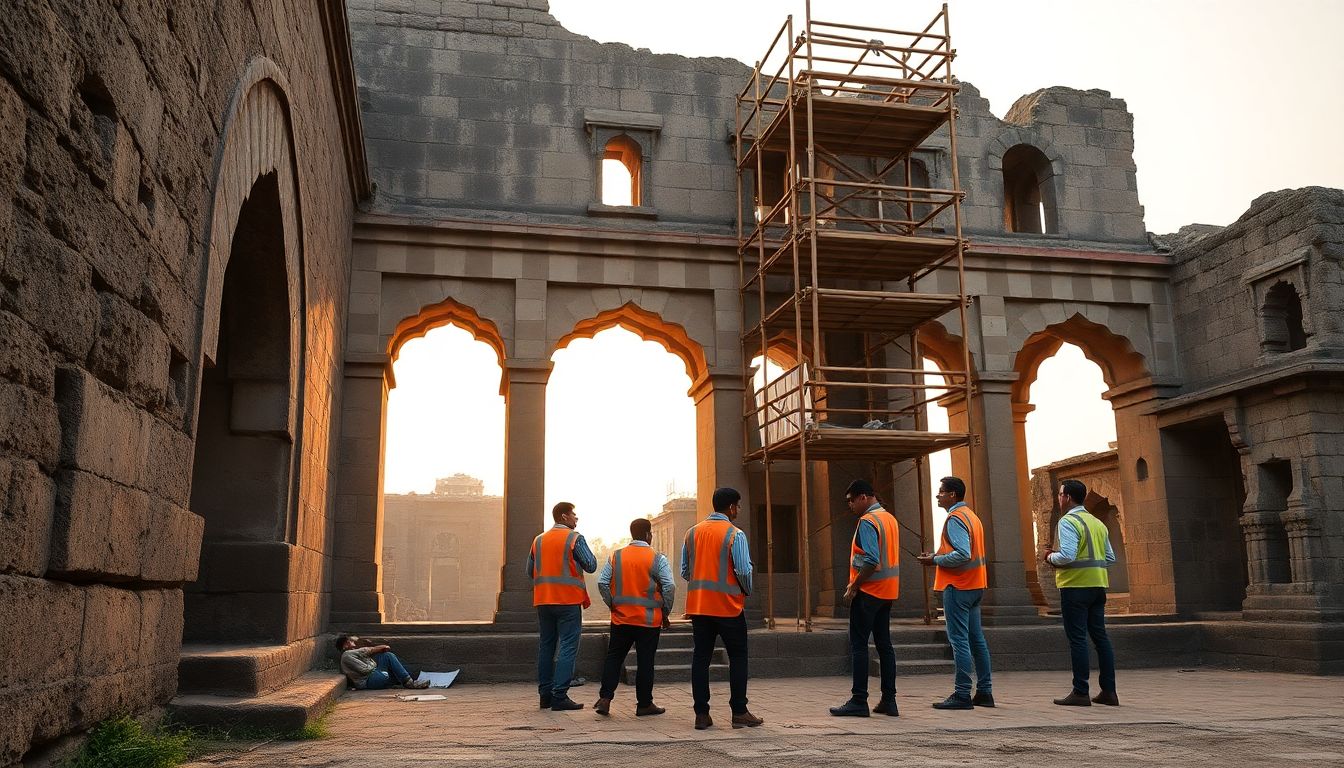
The historic 19th-century Chikkajala Fort, located 25 km from Bengaluru along the route to Kempegowda International Airport, is set to be restored using Corporate Social Responsibility funds from private organisation Kashi Ra. A ceremony was held recently at the site to launch the restoration project, attended by Greater Bengaluru Development Minister Krishna Byre Gowda, representatives from the Indian National Trust for Art and Cultural Heritage (INTACH), and members of Kashi Ra.
The heritage complex spans two acres under survey number 116, falling under the jurisdiction of the Revenue Department. Built in the Vijayanagara architectural style, the complex served as a 'chatra' or rest stop for soldiers, businesspersons, and long-distance travellers. It houses a small Anjaneya Swamy Temple where a local priest conducts daily pujas, stone mantapas, and a historic kalyani. A senior official from the Department of Archaeology, Museums and Heritage noted that stones in the mantapa and kalyani feature intricate carvings of nagabhanda, elephants, shivalingas, purnakumbas, anjaneya, fishes, and birds.
The fort previously suffered significant damage in 2016 when the National Highways Authority of India (NHAI) demolished its northern entrance during the road-widening project for National Highway 44. The demolition altered the fort's original circular structure into a semi-circular layout opening directly toward the roadway.
Over the years of neglect, large trees and wild bushes grew inside the mantapa, with roots and branches spreading across the flooring and roof. Although the stones of the Anjaneya Swamy Temple and the stepped kalyani remain intact, the water body has stayed dry. Local villagers reported that the bed of the kalyani had been sealed with cement during a past film shoot, preventing water retention.
Meera Iyer, convener of the INTACH Bengaluru Chapter, stated that the organisation will begin documentation and studies to determine how to preserve the overgrown trees while repairing the mantapa's stone structures. INTACH plans to consult heritage experts to restore the walls while keeping the trees, following methods used in earlier projects. Once the documentation concludes, a Detailed Project Report will be drawn up with an estimate of total project costs.
Organisers plan to involve architecture college students to give them hands-on experience with live heritage restoration. Following the project's completion, the fort is intended to operate as a cultural and tourist destination for travellers and residents visiting the region.